A ceramic substrate sample kit puts actual Al₂O₃, AlN, ZrO₂, or other ceramic coupons in your hands so you can verify fit, solderability, thermal performance, and surface finish before you commit to tooling or volume orders. Requesting one is the fastest way to de-risk a new design.
What Is in a Typical Ceramic Substrate Sample Kit?
Kits vary by supplier, but a useful one includes bare substrates in the materials and thicknesses you are considering. At minimum, expect the following:
- Material variety — 96% Al₂O₃, 99.6% Al₂O₃, AlN, and optionally ZrO₂ or Si₃N₄ coupons, so you can compare surface texture, colour, and translucency side by side.
- Thickness range — Substrates from 0.25 mm to 1.0 mm. Handling a 0.25 mm AlN coupon tells you more about fragility risk than any datasheet. Refer to the thickness options for ceramic substrates for the full range.
- Surface finishes — Polished (Ra < 0.1 µm), lapped, and as-fired surfaces let you evaluate metallization adhesion and wire-bond quality on your own bench.
- Metallized samples — Where available, coupons with DPC copper, silver thick-film metallization, or gold pads so you can run a solder reflow or pull-test without waiting for a custom prototype.
- Size — Most kits ship substrates in common panel formats such as 2″ × 2″ or 4″ × 4″. Check the available standard substrate dimensions to request sizes that match your design.
Why Request Samples Before Prototyping?
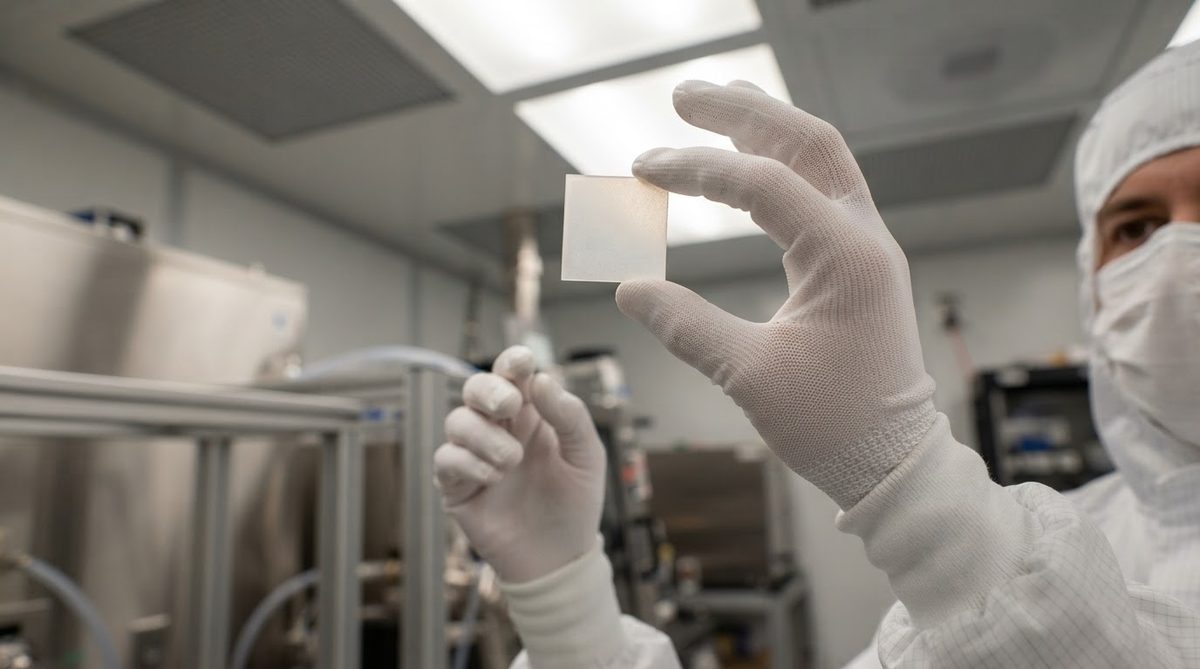
Ceramic is not forgiving. A wrong thickness or surface finish choice can mean scrapped boards and weeks of delay. Samples let you catch three categories of problems early:
Mechanical fit. Ceramic substrates are brittle. Mounting them in a housing designed around FR-4 flex tolerances often reveals interference or stress points. Handling a real coupon lets your mechanical engineer verify clearance, clamp force, and edge-support geometry before any Gerber file is finalized.
Process compatibility. Solder paste wetting, wire-bond adhesion, and die-attach voiding all depend on surface roughness and metallization quality. A sample coupon lets you run your actual reflow profile or ultrasonic bond recipe and inspect the result under your own microscope.
Thermal validation. If your design depends on substrate thermal conductivity, a bare coupon lets you measure thermal resistance with your own test fixture. Datasheet values (e.g., 170–200 W/mK for AlN per Kyocera or Maruwa grades) are typical, but your actual junction-to-case path includes interfaces, voids, and solder layers that only a physical test captures.
How to Request a Sample Kit
- List your candidate materials. Decide whether you need Al₂O₃ 96%, Al₂O₃ 99.6%, AlN, ZrO₂, or a combination. If you are unsure, request all that might apply — the cost of a few extra coupons is negligible versus a wrong material choice.
- Specify thickness and surface finish. State the thicknesses you are evaluating and whether you need as-fired, lapped, or polished surfaces.
- Note any metallization. If you want to test soldering or bonding, request metallized coupons (e.g., DPC copper, thick-film silver, or gold).
- Submit your request. Most suppliers, including AluminaPCB, accept sample requests through their standard quote or contact form. Include your project timeline so the supplier can prioritize accordingly.
What to Test Once You Have the Kit
Do not just look at the samples. Run real tests:
| Test | What It Tells You | Equipment Needed |
|---|---|---|
| Solder reflow | Paste wetting, voiding, fillet quality | Reflow oven, X-ray (optional) |
| Wire-bond pull test | Metallization adhesion strength | Wire bonder, pull tester |
| Thermal resistance measurement | Actual Rth through substrate + interfaces | Thermal test vehicle, thermocouple or IR camera |
| Dimensional check | Flatness, thickness tolerance, edge quality | CMM or dial indicator |
| Handling / assembly trial | Breakage rate under your pick-and-place or manual process | Your production line |
Typical values for commercially available material, for comparison only. Confirm against the datasheet for your specific grade.
When a Sample Kit Is Not What You Need
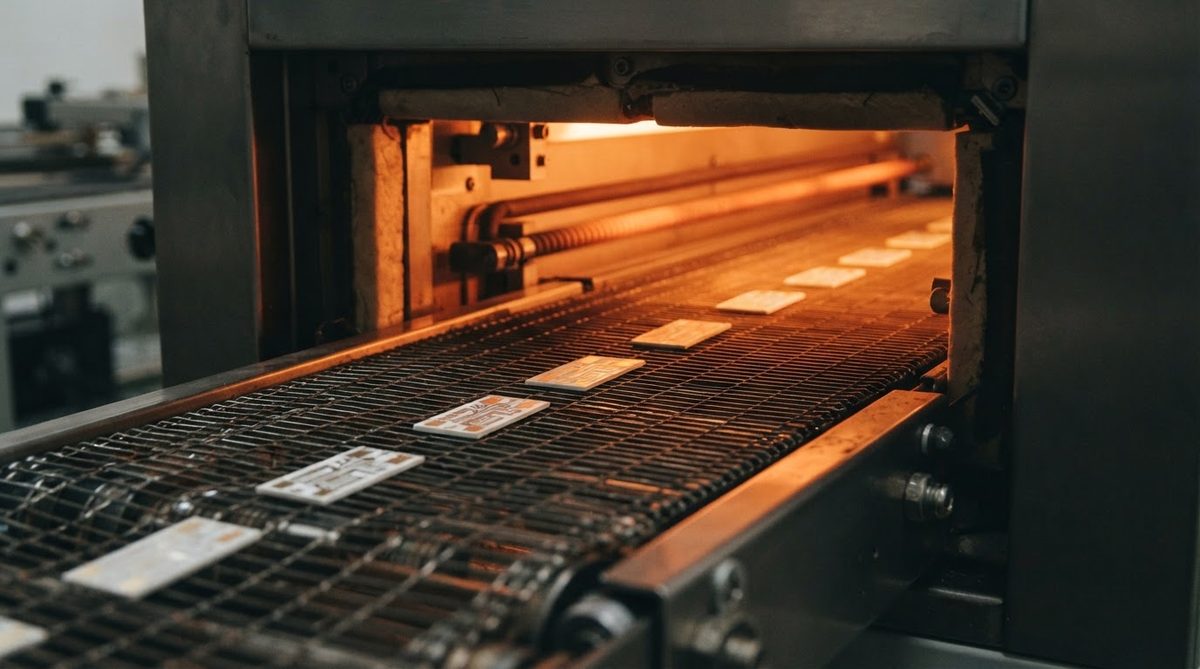
If your design is already frozen and you just need boards built, skip the sample kit and go straight to a prototype order. Sample kits are raw or lightly metallized substrates — they are not circuit boards. If you need a functioning circuit for electrical validation, request a prototype run with your actual Gerber files instead.
Similarly, if your project uses standard FR-4 or metal-core PCB and you are exploring ceramic only for thermal margin, a sample kit can confirm whether the thermal gain justifies the higher cost. If it does not, FR-4 or aluminium MCPCB is the right call.
Frequently Asked Questions
Do sample kits cost anything?
Policies vary. Some suppliers offer free sample kits for qualified projects; others charge a nominal fee for materials and shipping. Ask when you submit your request.
How long does it take to receive a sample kit?
Standard bare substrates typically ship within 3–5 business days. Metallized or custom-size coupons may take 1–2 weeks depending on the supplier’s stock.
Can I get laser-scribed or pre-scored samples?
Yes. If your production boards will use laser scribing for panel breakout, request scribed coupons so you can test snap quality and edge finish.
What if I need a material not listed in the standard kit?
Contact the supplier directly. Specialty materials like Si₃N₄ or sapphire may be available on request but are not always stocked in sample-kit quantities.
Can I solder directly to the sample substrates?
Only if the coupon is metallized. Bare ceramic does not accept solder. Request metallized samples (DPC copper, thick-film silver, or gold) if solder testing is your goal.
Are sample-kit substrates the same quality as production substrates?
They should be. Reputable suppliers pull sample stock from the same production lots used for orders. If a supplier sends “B-grade” or reject material as samples, that is a red flag.
Next Step
If you are evaluating ceramic substrates for an upcoming design, requesting a sample kit is the lowest-risk starting point. Identify your candidate materials and thicknesses, then submit a request through the AluminaPCB quote page with “sample kit” noted in the comments. An engineer will confirm material availability and ship your kit.