Blog

  • 10 Differences Between HASL and ENIG Enig Plating Methods

    Posted by

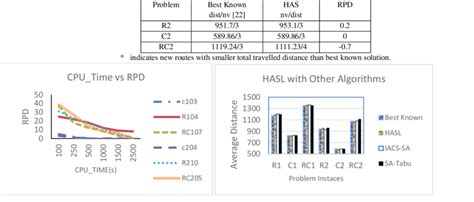
    What are HASL and ENIG? When it comes to printed circuit board (PCB) manufacturing, the choice of surface finish plays a critical role in the performance, reliability, and longevity of the final product. Two of the most commonly used surface finish methods in the industry are Hot Air Solder Leveling (HASL) and Electroless Nickel Immersion…

    Read more: 10 Differences Between HASL and ENIG Enig Plating Methods
  • Introduction Designing a printed circuit board (PCB) for power applications requires careful consideration of several key factors to ensure optimal performance, reliability, and safety. As a beginner in the world of PCB Design, it is essential to understand these critical aspects before embarking on your first power PCB project. In this article, we will explore…

    Read more: Power PCB Design: Five Major Things That Beginners Need to Know
  • How to Calculate Size of the PCB

    Posted by

    Factors Affecting PCB Size Several factors play a crucial role in determining the size of a PCB. These include: Component Selection and Placement The number, type, and size of components used in your design will significantly impact the overall PCB size. Larger components, such as transformers, connectors, and heat sinks, will require more space on…

    Read more: How to Calculate Size of the PCB
  • Grounding of the Printed Circuit Boards

    Posted by

    Introduction to PCB Grounding Proper grounding is essential for the reliable operation and performance of printed circuit boards (PCBs). PCB grounding refers to the techniques and strategies used to create a low-impedance path for currents to return to their source, minimize noise, and ensure the stable functioning of the circuit. Effective grounding is crucial for…

    Read more: Grounding of the Printed Circuit Boards
  • High Current PCB designing

    Posted by

    Introduction to High Current PCB Design When designing printed circuit boards (PCBs) for high-current applications, several critical factors must be considered to ensure optimal performance, reliability, and safety. High-Current PCB design involves managing increased power demands, heat dissipation, and potential electromagnetic interference (EMI) issues. This comprehensive guide will delve into the essential aspects of high-current…

    Read more: High Current PCB designing
  • DesignSpark PCB Design Software for Windows PCs

    Posted by

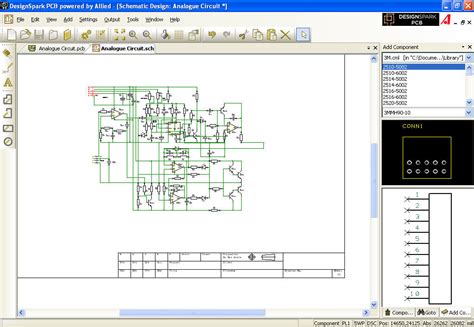
    Introduction to DesignSpark PCB DesignSpark PCB is a free, professional-grade printed circuit board (PCB) design software for Windows PCs. Developed by RS Components, DesignSpark PCB offers a powerful yet easy-to-use solution for engineers, students, and hobbyists to create high-quality PCB Designs. With its intuitive interface, extensive component libraries, and advanced features, DesignSpark PCB streamlines the…

    Read more: DesignSpark PCB Design Software for Windows PCs
  • RAYPCB factory has moved to a new location

    Posted by

    Why Did RAYPCB Relocate Its Factory? RAYPCB’s decision to relocate its factory was driven by several factors, including: Increased demand for its products Need for a larger, more modern facility Desire to improve efficiency and productivity Expansion into new markets and product lines The new factory location provides RAYPCB with the space and resources necessary…

    Read more: RAYPCB factory has moved to a new location
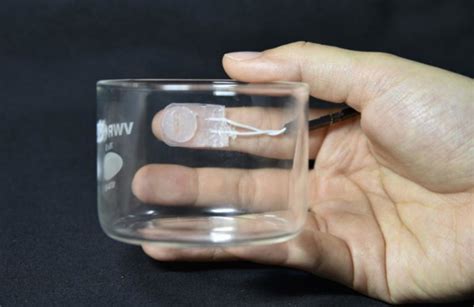
  • Types of Finger Sensors There are several types of finger sensors available in the market, each with its own unique features and capabilities. Here are some of the most common types of finger sensors: 1. Pressure Sensors Pressure sensors are designed to detect and measure the amount of pressure applied to the sensor. These sensors…

    Read more: Finger Sensors: Types, Construction Forms, Applications, and More
  • PCB Layout Design Service

    Posted by

    Introduction to PCB Layout Printed Circuit Board (PCB) layout is a crucial step in the electronic product development process. It involves the arrangement of electronic components and the design of the conductive pathways that connect them on a PCB. A well-designed PCB layout ensures proper functionality, reliability, and manufacturability of the electronic device. The Importance…

    Read more: PCB Layout Design Service
  • Introduction When designing a Printed Circuit Board (PCB), it’s common to include components in the bill of materials (BOM) that are not physically mounted on the board itself. These Unmounted Components still need to be accounted for and properly designated in the design files. In this article, we’ll explore the concept of reference designators for…

    Read more: Reference Designators for Components in BOM but Not Mounted on PCB