Beryllium oxide dust is a confirmed human carcinogen that causes chronic beryllium disease (CBD), an incurable and potentially fatal lung condition. Any engineer evaluating beryllium oxide safety for a ceramic PCB project must understand the occupational health risks, regulatory obligations, and the growing list of safer alternatives before committing to BeO substrates. BeO ceramic delivers 250–300 W/mK thermal conductivity, but that performance comes with exposure limits measured in fractions of a microgram and disposal costs that can exceed the substrate price. This page gives you the full picture so you can make an informed material decision.
Key Takeaways
- OSHA’s permissible exposure limit (PEL) for beryllium is 0.2 µg/m³ as an 8-hour TWA, with a short-term exposure limit (STEL) of 2.0 µg/m³ over 15 minutes (29 CFR 1910.1024).
- Intact, polished BeO substrates are not hazardous to touch; the danger begins when material is machined, broken, abraded, or thermally decomposed, releasing respirable dust.
- Chronic beryllium disease has no cure and can appear years or decades after exposure; 2–15% of exposed workers become sensitized, per NIOSH estimates.
- Aluminum nitride (AlN, 170–200 W/mK) and silicon nitride (Si₃N₄, 70–90 W/mK) now cover most applications that historically required BeO.
- Several countries and major OEMs restrict or ban BeO in new designs; RoHS does not list it, but EU REACH SVHC candidate listing is under ongoing review.
What Makes Beryllium Oxide Dangerous?
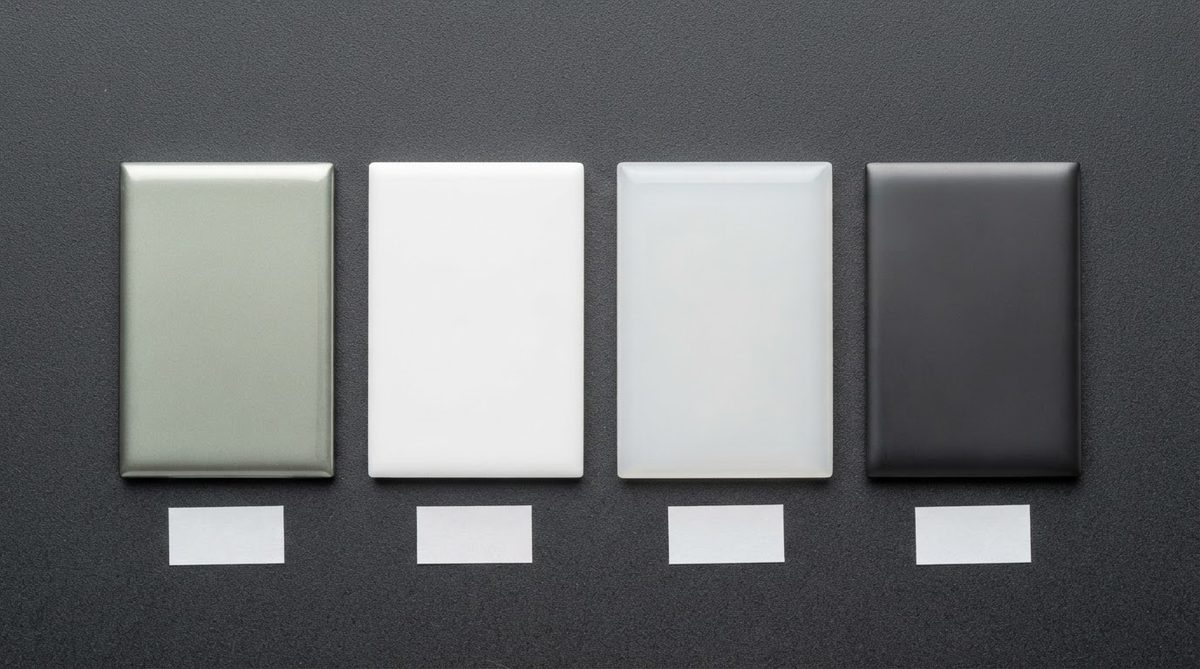
Beryllium oxide is an advanced ceramic with a unique combination of high thermal conductivity and high electrical resistivity. The core beryllium oxide safety concern is not the bulk ceramic itself—it is beryllium-containing dust, fume, or mist in any particle size small enough to be inhaled (generally below 10 µm aerodynamic diameter).
When BeO is ground, cut, drilled, lapped, broken, or heated above roughly 1000 °C in an oxidizing atmosphere, it releases respirable particles. These particles can sensitize the immune system. In sensitized individuals, further exposure triggers a granulomatous lung disease—chronic beryllium disease—that progressively destroys lung function. CBD has no cure. Treatment is limited to corticosteroids and, in severe cases, lung transplant.
Acute beryllium disease, a chemical pneumonitis caused by high short-term exposure, is rarer today but still possible during grinding or furnace incidents. IARC classifies beryllium and beryllium compounds as Group 1 carcinogens (sufficient evidence in humans). The U.S. National Toxicology Program concurs.
Regulatory Limits Critical to Beryllium Oxide Safety
OSHA overhauled its beryllium standard in 2017, cutting the PEL by a factor of 50. The current limits under 29 CFR 1910.1024 (general industry) are the strictest the agency has ever set for a metal:
| Parameter | Limit | Basis | Source |
|---|---|---|---|
| 8-hour TWA PEL | 0.2 µg/m³ | Airborne beryllium | OSHA 29 CFR 1910.1024 |
| Short-term exposure limit (STEL) | 2.0 µg/m³ | 15-minute average | OSHA 29 CFR 1910.1024 |
| Action level | 0.1 µg/m³ | 8-hour TWA trigger for monitoring | OSHA 29 CFR 1910.1024 |
| NIOSH REL | 0.05 µg/m³ | 8-hour TWA (recommended) | NIOSH Criteria Document, 2011 |
| ACGIH TLV | 0.05 µg/m³ | 8-hour TWA (inhalable fraction) | ACGIH TLV booklet, current edition |
Confirm current limits at your jurisdiction’s occupational health authority. EU member states set workplace exposure limits nationally; Germany’s MAK value is 0.06 µg/m³ (inhalable fraction).
These numbers are extraordinarily low. For context, 0.2 µg/m³ is roughly one-fifth of a microgram in a cubic meter of air. Achieving and verifying compliance requires HEPA-filtered enclosures, continuous air monitoring, and a written exposure control plan—costs that add significantly to any manufacturing operation.
Safe Handling Procedures for BeO Substrates
If your application genuinely requires BeO and you are receiving finished substrates (not machining raw blanks), the risk profile is lower but not zero. Substrates can chip during assembly, and broken edges release particles. Proper beryllium oxide safety protocols demand the following steps:
- Receiving and storage. Inspect packaging for breakage before opening. Store BeO substrates in sealed, labeled containers. Mark shelves and cabinets with beryllium hazard signs per OSHA’s Appendix A to 1910.1024.
- Assembly handling. Work on a dedicated bench with a HEPA-filtered downdraft table or laminar flow hood exhausting through HEPA. Wear nitrile gloves and safety glasses. Do not use compressed air to clean parts.
- No machining on site. Never drill, grind, saw, or lap BeO substrates outside a purpose-built beryllium facility. If you need a modified shape, send the work back to a licensed BeO processor.
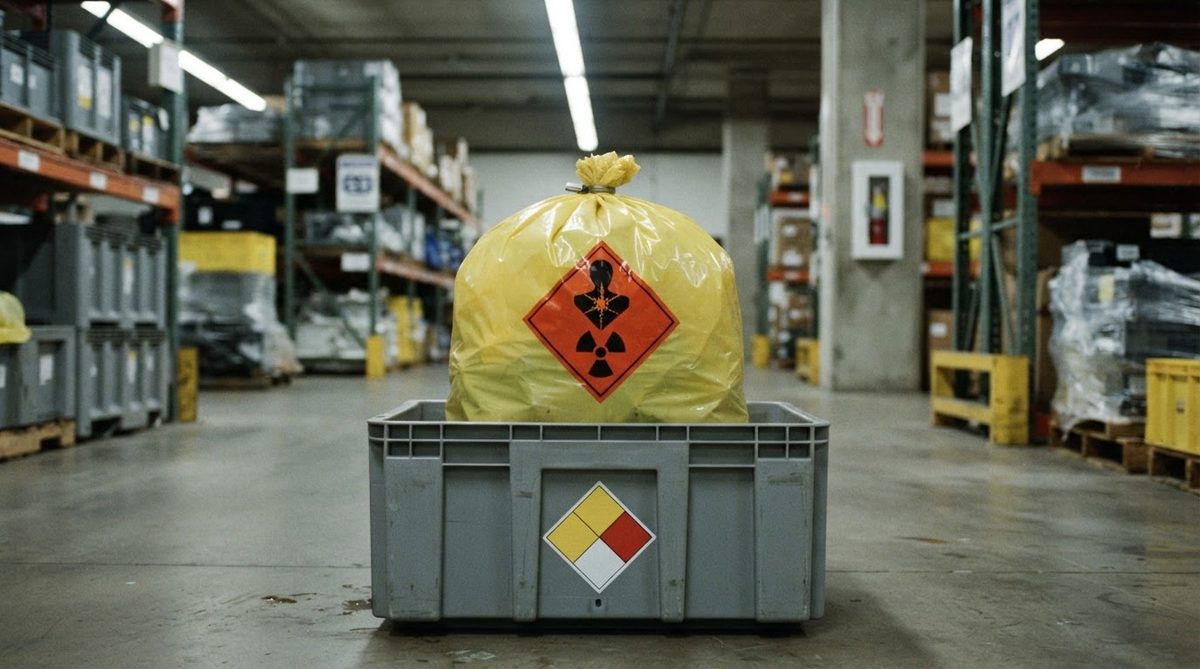
- Breakage protocol. If a substrate breaks, stop work. Wet-wipe the area with disposable cloths. Bag all fragments and wipes in sealed, labeled hazardous-waste bags. Do not sweep or vacuum with a standard vacuum—use only a HEPA-filtered vacuum rated for beryllium.
- Waste disposal. Dispose of BeO waste (broken parts, wipes, gloves) as hazardous waste per your local regulations. In the U.S., beryllium waste is regulated under RCRA if it exceeds toxicity characteristic leaching thresholds.
- Medical surveillance. OSHA requires a beryllium medical surveillance program for any employee exposed above the action level (0.1 µg/m³) or showing signs of sensitization. This includes a beryllium lymphocyte proliferation test (BeLPT).
Enter your substrate dimensions and power dissipation below to see how BeO compares thermally against AlN and Al₂O₃ for your specific case—before committing to the handling overhead.
BeO Thermal Properties vs. Safer Alternatives
BeO’s 250–300 W/mK thermal conductivity at 25 °C (per Materion/Brush Ceramics datasheets) is genuinely difficult to match in an electrically insulating ceramic. But the gap has narrowed. The table below compares BeO against the three most common alternatives, all of which can be sourced without carcinogen-handling infrastructure.
| Property | BeO 99.5% | AlN | Si₃N₄ | Al₂O₃ 96% |
|---|---|---|---|---|
| Thermal conductivity (W/mK, 25 °C) | 250–300 | 170–200 | 70–90 | 24–28 |
| Dielectric strength (kV/mm) | 10–14 | 15–17 | 12–15 | 10–15 |
| Flexural strength (MPa) | 230–250 | 300–350 | 600–900 | 300–380 |
| CTE (ppm/°C, 25–300 °C) | 7.5–8.5 | 4.5–5.0 | 2.5–3.5 | 7.0–8.0 |
| Carcinogen classification | IARC Group 1 | None | None | None |
| Relative substrate cost (vs. Al₂O₃ 96%) | 10–20× | 3–5× | 5–8× | 1× |
Typical values for commercially available material, for comparison only. Confirm against the datasheet for your specific grade. BeO data from Materion Brush Ceramics. AlN and Al₂O₃ data from Kyocera and CoorsTek published datasheets. Si₃N₄ data from Kyocera SN series.
For a detailed comparison of all four material families, see the full ceramic PCB material properties guide. If your thermal budget allows 170–200 W/mK, AlN eliminates the carcinogen risk entirely. For applications demanding extreme mechanical reliability under thermal cycling—such as EV power modules—silicon nitride substrates offer 3–4× the fracture toughness of BeO with zero toxicity concerns.
Worked Example: Do You Actually Need BeO?
Consider a 50 W power transistor mounted on a 25 mm × 25 mm × 0.63 mm ceramic substrate. Thermal resistance through the substrate is:
Rth = t / (k × A)
Where t = thickness, k = thermal conductivity, A = area.
| Substrate | k (W/mK) | Rth (°C/W) | ΔT at 50 W (°C) |
|---|---|---|---|
| BeO 99.5% | 280 | 0.036 | 1.8 |
| AlN | 180 | 0.056 | 2.8 |
| Si₃N₄ (90 W/mK grade) | 90 | 0.112 | 5.6 |
| Al₂O₃ 96% | 26 | 0.388 | 19.4 |
The difference between BeO and AlN here is 1.0 °C. In most real thermal stacks, the die-attach and heatsink interfaces contribute 5–20 °C each. A 1 °C substrate advantage rarely justifies the regulatory burden, disposal cost, and supply-chain liability of BeO. Run this calculation for your own power and area before defaulting to beryllium oxide. For more on ceramic thermal management strategies, see the pillar guide.
When BeO May Still Be Justified
A small number of applications still specify BeO because no alternative meets all requirements simultaneously:
- Legacy military and aerospace designs qualified to MIL-PRF-specs that explicitly call out BeO. Requalification to AlN can cost more than continued BeO procurement.
- Very high frequency RF/microwave circuits above 30 GHz where BeO’s low dielectric loss tangent (~0.0003 at 10 GHz) and high thermal conductivity are both needed on the same substrate.
- Extreme power density in compact form factors where even AlN’s 170–200 W/mK is insufficient and the thermal budget has no margin.
If none of these describe your project, you almost certainly do not need BeO. Compare ceramic substrate types to find the right match.
When Not to Use BeO
Do not specify BeO if any of these apply:
- Your thermal calculation shows AlN meets the temperature budget with margin. Most power electronics and LED thermal management designs fall here.
- Your product ships to consumers. End-of-life disposal of BeO creates liability, and some OEMs now prohibit it in their restricted-substance lists regardless of RoHS status.
- Your facility lacks a beryllium exposure control plan, HEPA-filtered workstations, and a medical surveillance program. Setting these up for a single product line is rarely cost-effective.
- Your design requires mechanical machining, drilling, or laser cutting at your site. These operations on BeO demand a licensed beryllium facility.
- You need CTE matching to silicon die—AlN (4.5–5.0 ppm/°C) is a closer match than BeO (7.5–8.5 ppm/°C) and produces less die-attach stress.
Supply Chain and End-of-Life Considerations
BeO substrates are produced by a small number of specialty manufacturers (Materion, American Beryllia, and a handful of Chinese suppliers). Lead times are typically 8–16 weeks. Minimum order quantities are higher than for AlN or alumina because furnace runs are dedicated.
At end of life, BeO components must be segregated and disposed of as hazardous waste. Mixed recycling streams are contaminated by even small amounts of beryllium. OEMs selling into the EU should track ECHA’s SVHC candidate list, as beryllium oxide has been discussed for inclusion. A future listing would trigger supply-chain notification obligations under REACH Article 33. Understanding these beryllium oxide safety implications at the design stage avoids costly field recalls later.
Frequently Asked Questions
Is it safe to touch a BeO substrate with bare hands?
Yes, intact and polished BeO substrates are safe to handle briefly with clean, dry hands. The hazard is inhalation of dust, not skin contact with solid ceramic. That said, best practice is nitrile gloves to prevent skin oils from contaminating the surface and to avoid complacency around beryllium-containing parts.
Does RoHS ban beryllium oxide?
No. The EU RoHS Directive (2011/65/EU) restricts lead, mercury, cadmium, hexavalent chromium, PBBs, PBDEs, and four phthalates. Beryllium and its compounds are not on the RoHS restricted list. However, individual OEMs and some national regulations impose additional restrictions. Always check your customer’s restricted-substance list.
Can I laser-cut BeO substrates in a standard laser facility?
No. Laser cutting BeO generates beryllium-containing particulate and fume. The operation must be performed inside a sealed, HEPA-filtered enclosure with continuous air monitoring, by personnel trained in beryllium handling. Standard PCB or ceramic laser shops are not equipped for this.
What is the beryllium lymphocyte proliferation test (BeLPT)?
The BeLPT is a blood test that detects immune sensitization to beryllium. OSHA requires it as part of medical surveillance for exposed workers. A confirmed positive BeLPT indicates sensitization, which is a precursor to chronic beryllium disease, even if the worker has no symptoms yet.
How do I dispose of broken BeO substrates?
Broken BeO parts are hazardous waste. Wet-wipe the area, bag all fragments and cleaning materials in sealed containers labeled with beryllium hazard warnings, and dispose through a licensed hazardous-waste handler. Do not place BeO waste in general ceramic or electronic scrap streams.
Are there drop-in AlN replacements for BeO in legacy RF designs?
Not always. AlN has a higher dielectric constant (~8.5–9.0 vs. ~6.5–6.7 for BeO at 1 MHz), which changes microstrip impedance and line widths. A redesign of the RF matching network is usually required. For detailed dielectric property comparisons, verify values at your operating frequency before committing.
Next Step
If your thermal analysis shows that AlN or Si₃N₄ can replace BeO in your design, request substrates through the instant quote page. If you are unsure which material fits, upload your thermal requirements and an engineer will review the options with you.
Last reviewed: 2025-06.