Ceramic PCBs imported from China currently face combined tariff rates ranging from roughly 0% to 25%, depending on how the board is classified under the Harmonized Tariff Schedule (HTS), whether Section 301 tariffs apply, and the declared country of origin. Understanding the ceramic PCB tariff China landscape is essential before committing to a sourcing decision. Getting the classification wrong can mean overpaying by thousands of dollars per shipment—or triggering a costly audit. This article covers the HTS codes that matter, the Section 301 exposure, origin-determination rules, and concrete steps to manage your landed cost.
Key Takeaways
- Bare ceramic substrates (no circuitry) and finished ceramic PCBs fall under different HTS headings, with base duty rates from 0% to 3.9%.
- Section 301 tariffs on Chinese-origin goods can add up to 25% on top of the base rate for covered HTS codes.
- Country of origin for a ceramic PCB is determined by where “substantial transformation” occurs—typically where the circuit pattern is formed, not where the substrate was sintered.
- Requesting a binding ruling from U.S. Customs (CBP) before first shipment eliminates classification risk.
- Landed-cost differences between a correctly classified ceramic substrate and a misclassified one can exceed 20% of invoice value.
HTS Codes for Ceramic PCB Tariff China Classification
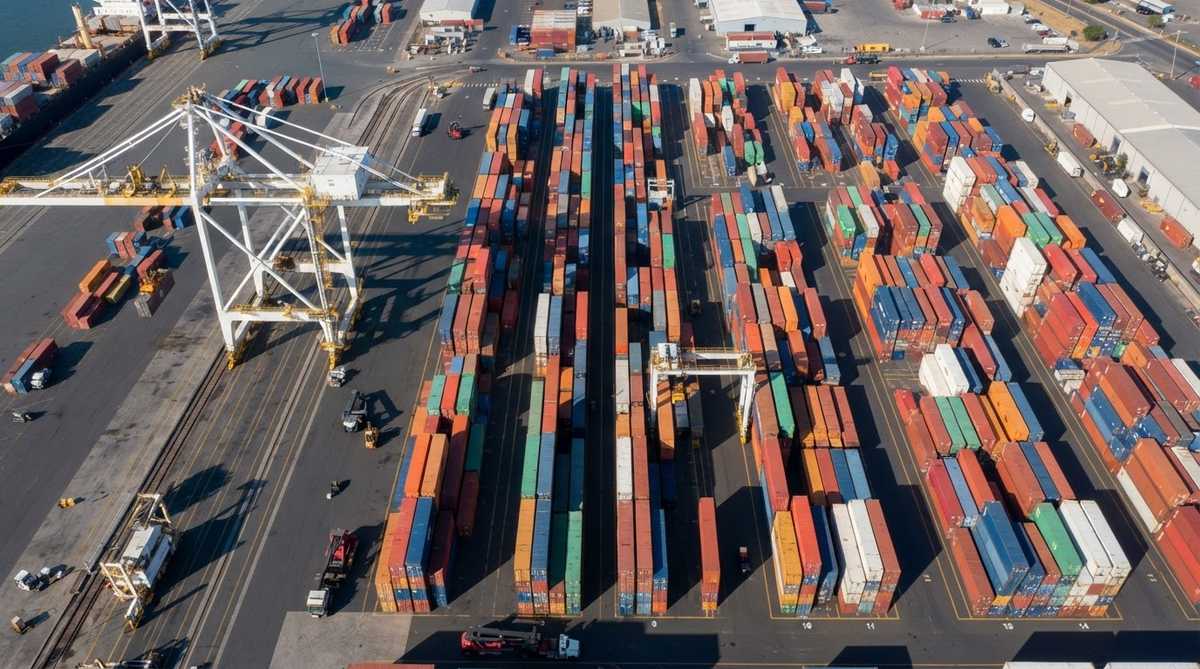
The Harmonized Tariff Schedule groups ceramic PCBs under two broad families. Which one applies depends on whether the product is a blank substrate or a finished circuit board with metallized traces.
| Product Description | Likely HTS Heading | Base Duty Rate (MFN) | Section 301 List |
|---|---|---|---|
| Blank alumina or AlN substrate, no metallization | 6914.90 (other ceramic articles) or 8547.10 (insulating fittings of ceramics) | 0%–4.0% | Check by specific subheading |
| Ceramic PCB with metallized circuit pattern (single or multilayer) | 8534.00.00 (printed circuits) | Free (0%) | List 3 / List 4A — up to 25% |
| Ceramic substrate with thick-film resistors / capacitors (hybrid circuit) | 8542.39 or 8542.90 (electronic integrated circuits, other) | Free (0%) | Varies by subheading |
Rates shown reflect the U.S. Harmonized Tariff Schedule as of early 2025. Verify current rates at the U.S. International Trade Commission’s HTS search tool (hts.usitc.gov) before making sourcing decisions.
The critical distinction: HTS 8534.00.00 covers “printed circuits,” defined as boards with conductor patterns formed on an insulating base, with no discrete components mounted. This heading carries a 0% base MFN duty. However, Chinese-origin goods under this heading are subject to Section 301 tariffs, which currently sit at 25% for Lists 1–3 and 7.5%–25% for List 4A items. The exact ceramic PCB tariff China rate depends on which tranche your subheading falls into.
Blank ceramic substrates without any metallization may classify under Chapter 69 (ceramic articles) rather than Chapter 85. Chapter 69 base rates are low (often 0%–4%), but Section 301 coverage differs. Misclassifying a metallized board as a blank substrate to avoid the 301 surcharge is a compliance violation that CBP actively audits.
How Country of Origin Is Determined
U.S. Customs determines country of origin using the “substantial transformation” test: the country where the last manufacturing step occurred that gave the article its essential character. For ceramic PCBs, this is almost always where the circuit pattern was created—not where the raw alumina or AlN substrate was sintered or pressed.
Consider a common supply chain: alumina powder is sourced in Japan, substrates are sintered in China, and circuit metallization and patterning also happen in China. The country of origin is China. If instead the blank substrate is sintered in China but shipped to a third country (say, Malaysia) where DPC or thick-film metallization is performed, the origin shifts to Malaysia—and the board may no longer be subject to the ceramic PCB tariff China provisions under Section 301.
This is not a loophole. CBP scrutinizes “transshipment” arrangements where goods pass through a third country without genuine manufacturing. Simply re-labeling or re-packing in a non-China facility does not change origin. The metallization, etching, plating, and electrical testing must actually occur there.
Worked Example: Landed-Cost Impact of Section 301
Suppose you are importing 500 pieces of 96% alumina PCBs with DPC copper traces, classified under HTS 8534.00.00, from a Chinese manufacturer. The commercial invoice value (CIF) is $12.00 per board.
| Cost Element | Without 301 | With 301 (25%) |
|---|---|---|
| Unit price (CIF) | $12.00 | $12.00 |
| Base MFN duty (0%) | $0.00 | $0.00 |
| Section 301 duty | $0.00 | $3.00 |
| Merchandise Processing Fee (~0.3464%) | $0.04 | $0.04 |
| Landed unit cost | $12.04 | $15.04 |
| Total for 500 pcs | $6,020 | $7,520 |
The 301 surcharge adds $1,500 to this order—a 25% premium. For higher-value AlN boards (which might run $40–$80 per piece for aerospace and defense applications), the absolute dollar impact is far larger.
Use the tool below to estimate how different tariff scenarios affect your own landed cost. Enter your unit price, quantity, and applicable duty rate to see the total impact.
Strategies to Reduce Ceramic PCB Tariff China Exposure
1. Confirm Your HTS Classification Early
File a binding ruling request with CBP (Form 177) before your first commercial shipment. The ruling is free, takes 30–90 days, and gives you a legally defensible classification. Guessing—or relying on your freight forwarder’s best guess—is the single most common source of overpayment or audit risk.
2. Evaluate Non-China Sourcing for Metallization
If your ceramic substrate must be sintered in China (because that is where the grade and volume exist), consider having circuit patterning done in a non-List-3 country. Southeast Asian facilities in Vietnam, Malaysia, and Thailand offer DPC and thick-film processing. The substrate origin remains China, but the finished PCB origin shifts. Confirm with a customs attorney that the specific process qualifies as substantial transformation.
3. Use Foreign Trade Zones (FTZs)
Importing ceramic PCBs into a U.S. Foreign Trade Zone allows you to defer duty payment until the boards enter U.S. commerce. If you re-export finished assemblies, you may avoid duty entirely. FTZs do not eliminate Section 301 tariffs, but they improve cash flow and reduce duty on scrapped or re-exported inventory.
4. Request Exclusions (When Available)
The Office of the U.S. Trade Representative (USTR) has periodically opened exclusion request windows for specific products affected by Section 301 tariffs. Exclusions are product-specific, not company-specific, and they expire. Monitor the Federal Register and USTR announcements. Past exclusions for certain electronic substrates have been granted and then lapsed.
5. Negotiate DDP or DAP Terms
If your supplier offers Delivered Duty Paid (DDP) pricing, the tariff cost is baked into the quote. This simplifies budgeting but removes your ability to optimize classification. Delivered at Place (DAP) keeps you as the importer of record, giving you control over classification and broker selection. For high-value 96% alumina wholesale orders, controlling the import process yourself usually saves money.
How Tariffs Differ by Ceramic Material
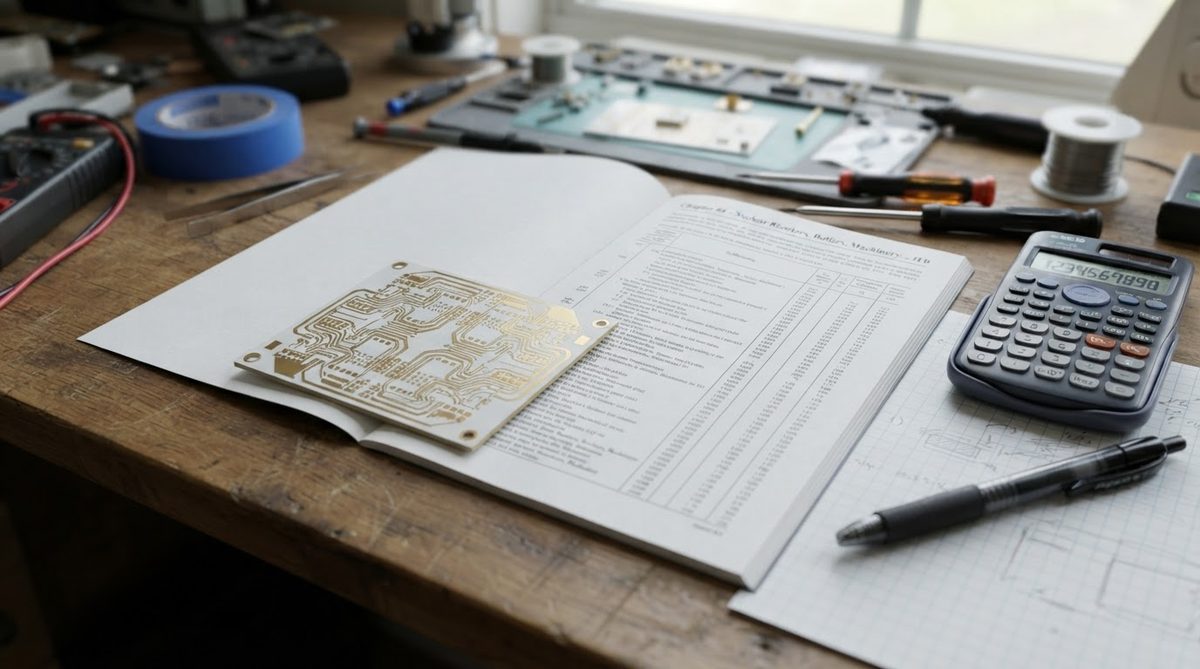
The ceramic PCB tariff China rate does not change based on whether the substrate is alumina, aluminum nitride, or silicon nitride. HTS 8534.00.00 covers printed circuits regardless of base material. However, the material choice affects the invoice value—and therefore the absolute duty paid. AlN substrates cost 3–5× more per unit area than 96% alumina, so the same 25% tariff rate produces a much larger dollar hit.
For thermal-critical designs using AlN—such as automotive power electronics—the tariff premium may push total landed cost high enough to justify qualifying a non-China source, even at a slightly higher base price. Run the full landed-cost comparison, not just the FOB price.
When Tariffs Should Not Drive Your Sourcing Decision
Tariff avoidance is not always worth the trade-off. Switching suppliers to dodge a 25% duty makes sense on commodity 96% alumina boards with multiple qualified sources. It makes less sense when:
- Your design requires a specific substrate grade or process (e.g., multilayer ceramic PCB with HTCC) that only one or two factories worldwide produce reliably.
- Requalification costs (testing, first-article inspection, reliability screening) exceed the tariff savings over your production horizon.
- Lead time is the binding constraint, and the alternative supplier adds 4–8 weeks.
In these cases, absorb the ceramic PCB tariff China cost, budget for it, and revisit when exclusion windows reopen or when alternative capacity matures.
Frequently Asked Questions
Do ceramic PCBs qualify for any tariff exemptions under USMCA?
Only if the ceramic PCB is manufactured in the U.S., Canada, or Mexico and meets the USMCA rules of origin. A Chinese-made board shipped through Mexico does not qualify. The substantial transformation must occur within a USMCA member country.
Can I import blank ceramic substrates duty-free and metallize them in the U.S.?
Blank substrates without metallization may classify under Chapter 69 with a low or zero base duty and potentially no Section 301 exposure, depending on the specific subheading. Metallizing in the U.S. then makes the finished PCB a U.S.-origin product. This approach works if you have domestic metallization capability or a U.S.-based partner.
What happens if CBP reclassifies my ceramic PCBs after import?
CBP can reclassify and retroactively assess additional duties, plus interest and potential penalties, going back up to five years. A binding ruling obtained before import is your best defense. Without one, you bear the full risk of reclassification.
Are Section 301 tariffs on ceramic PCBs from China permanent?
No. Section 301 tariffs are trade-policy tools that can be modified, reduced, or removed by executive action. The current tariffs on List 3 items (which include HTS 8534.00.00) have been in place since 2018–2019, with rates adjusted over time. There is no fixed expiration date, but they are subject to ongoing USTR review.
Does the HS code change if my ceramic PCB has mounted components?
Yes. A ceramic PCB with components soldered on is no longer a “printed circuit” under HTS 8534. It becomes a “printed circuit assembly” and may classify under 8538 or the heading for the end-use device. The duty rate and Section 301 exposure may differ. Classify the product as shipped, not as designed.
Next Step
If you are evaluating landed cost for a ceramic PCB order from China, start by confirming the HTS classification with your customs broker and requesting a binding ruling from CBP. For a budgetary quote that includes FOB and optional DDP pricing on alumina or AlN ceramic PCBs, submit your files for an instant quote and specify your preferred Incoterm.