Medical device PCB PCB cost runs 3–15× higher per unit area than an equivalent FR-4 board. The exact multiplier depends on substrate material, metallization process, and the regulatory burden specific to your device class. That premium is not optional for many medical applications: implantable devices, surgical laser drivers, and high-density imaging modules demand the hermeticity, biocompatibility, and thermal performance that organic laminates cannot deliver. Understanding medical device PCB PCB cost early in your design cycle prevents budget surprises downstream.
Key Takeaways
- A 25 × 25 mm 96% alumina substrate with DPC metallization costs roughly $8–$25 in prototype quantities versus $0.80–$2.50 for FR-4 of the same size.
- Aluminum nitride (AlN) substrates add another 3–5× over alumina, justified only when thermal conductivity above 150 W/mK is a hard requirement.
- Regulatory costs (biocompatibility testing per ISO 10993, design history file documentation, process validation) can equal or exceed the raw board cost for Class II and III devices.
- Locking in a qualified substrate early avoids re-validation costs that routinely exceed $50,000 per material change on a Class III device.
Why Medical Devices Use Ceramic PCBs
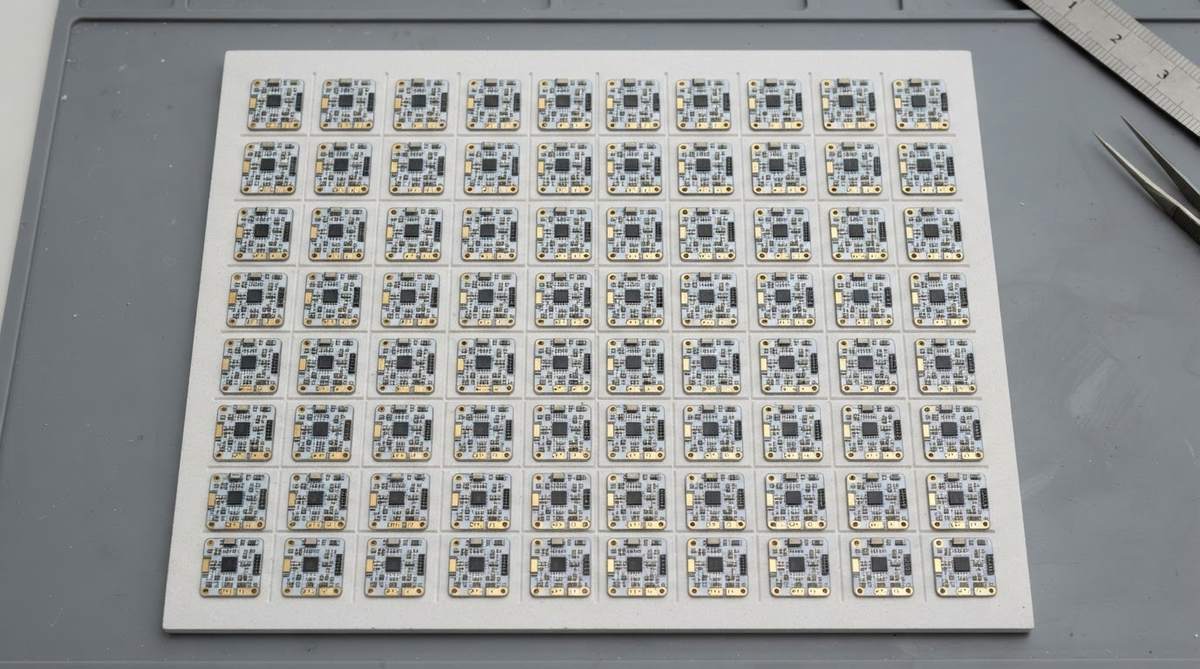
Organic substrates outgas, absorb moisture, and degrade under repeated sterilization. For devices that face autoclave cycles at 134 °C, gamma irradiation, or long-term implantation, those failure modes are disqualifying. Ceramic substrates—primarily Al₂O₃ (96% and 99.6%) and AlN—offer zero moisture absorption, CTE matched to silicon and GaN die, and inherent biocompatibility that simplifies ISO 10993 cytotoxicity testing.
Common medical applications include cochlear implant hybrid circuits, endoscope LED driver boards, MRI-compatible sensor substrates, ultrasonic transducer backing plates, and surgical laser diode submounts. Each application has different cost sensitivities, but all share a need for long-term material stability and traceability that organic boards struggle to guarantee over a 10–20 year device lifetime.
Medical Device PCB PCB Cost Drivers
The ceramic PCB cost breakdown for medical boards includes several line items that general-purpose boards never see. Each driver below directly affects your total medical device PCB PCB cost.
1. Substrate Material
Material alone accounts for 30–50% of the finished board cost. The table below compares the substrates most commonly specified in medical designs.
| Parameter | Al₂O₃ 96% | Al₂O₃ 99.6% | AlN |
|---|---|---|---|
| Thermal conductivity (W/mK, 20 °C) | 24–28 | 30–35 | 170–200 |
| Dielectric strength (kV/mm) | 10–15 | 12–17 | 14–17 |
| Relative substrate cost (index) | 1× | 1.5–2× | 4–6× |
| Biocompatibility (ISO 10993-5) | Pass | Pass | Pass |
| Hermeticity | Yes | Yes | Yes |
Typical values for commercially available material, for comparison only. Confirm against the datasheet for your specific grade.
Most medical boards use 96% alumina. Reserve 99.6% alumina for fine-line circuits below 50 µm trace/space, and AlN only when thermal dissipation exceeds what alumina can handle—such as UV-C LED disinfection modules or high-power surgical laser submounts.
2. Metallization Process
Thick-film gold (Au) or silver-palladium (AgPd) metallization is standard for wire-bondable medical hybrids. Thick-film processing adds $3–$8 per board in small volumes. DPC (direct plated copper) costs less per board but requires sputtering equipment and is better suited to SMT-only designs. Thin-film metallization (sputtered Ti/Pt/Au) is the most expensive option—often 2–3× the cost of thick film—but delivers the tightest line resolution for implantable microelectronics.
3. Regulatory and Documentation Overhead
FDA 21 CFR 820 requires full design history files, process validation (IQ/OQ/PQ), and lot traceability. For a ceramic PCB supplier, maintaining these records adds 10–20% to the per-board cost in production volumes. Biocompatibility testing per ISO 10993-5 (cytotoxicity) and ISO 10993-10 (irritation) costs $5,000–$15,000 per material combination and must be repeated if you change substrates, metallization, or surface finish. This regulatory layer is a significant portion of overall medical device PCB PCB cost that many teams underestimate.
4. Volume
Medical device volumes are small by electronics standards. A successful implantable device might ship 5,000–20,000 units per year. At those quantities, NRE and tooling costs for ceramic PCBs are amortized over fewer boards, raising the effective unit price by 15–40% compared to a 100,000-unit consumer run.
Worked Example: Endoscope LED Driver Board
Consider a 15 × 20 mm, single-layer 96% alumina board with DPC copper (35 µm), ENIG finish, and 100 µm minimum trace/space. The device is Class II, manufactured in lots of 500.
- Bare substrate (laser-scribed, 0.635 mm thick): ~$1.80 each at 500 pcs
- DPC metallization + ENIG: ~$4.50 each
- Electrical test and AOI: ~$0.60 each
- Documentation and traceability surcharge: ~$1.00 each
- Total per board: ~$7.90
The same board in FR-4 with OSP finish would cost roughly $0.90–$1.50. The 5–8× ceramic premium buys hermeticity through autoclave sterilization, zero outgassing near optical components, and a substrate that will not delaminate after 10,000 sterilization cycles. This worked example illustrates how medical device PCB PCB cost stacks up against conventional alternatives in a real design.
How to Reduce Medical Ceramic PCB Cost
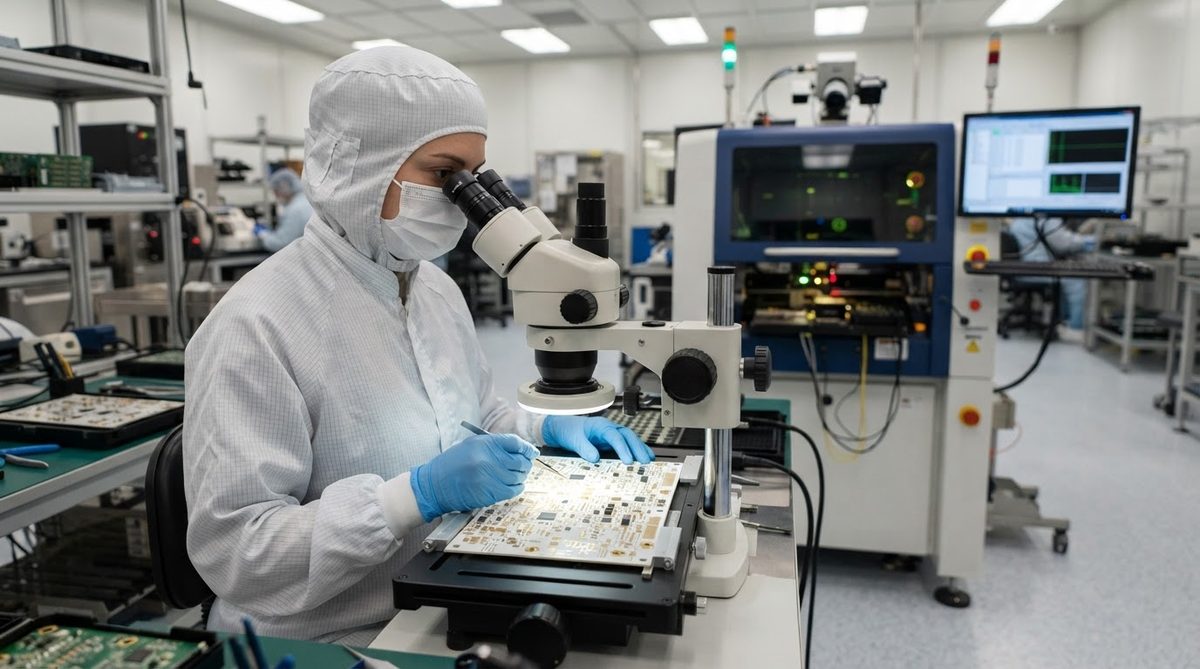
Panelization is the single largest lever. Fitting more boards per substrate panel reduces per-unit scribing and handling cost by 20–35%. Design boards to standard substrate thicknesses (0.25, 0.38, 0.635, 1.0 mm) to avoid custom lapping charges. Standardize on 96% alumina unless your thermal analysis proves otherwise—material qualification costs compound fast when you maintain two or three ceramic grades in your approved vendor list.
Qualify your supplier early. Switching ceramic PCB vendors after design freeze triggers re-validation that can cost $30,000–$80,000 on a Class III device, far more than any per-board savings from a cheaper source. Factor total lifecycle cost, not just unit price, into your sourcing decision.
Use the estimator below to model medical device PCB PCB cost for your board dimensions, material, and order quantity.
[pcb_calc type=”pcb-quote”]
When Ceramic Is Not the Right Choice
If your device is Class I, operates below 100 °C, never contacts the patient, and faces no sterilization, FR-4 or polyimide flex will serve at a fraction of the cost. Metal-core PCBs (MCPCBs) handle moderate thermal loads at roughly one-third the price of ceramic, though they lack hermeticity. For RF and microwave medical devices operating below 10 GHz, Rogers RO4003C on FR-4 may provide adequate dielectric performance without ceramic’s cost and lead time.
Frequently Asked Questions
Are ceramic PCBs biocompatible for implantable devices?
Al₂O₃ and AlN ceramics routinely pass ISO 10993-5 cytotoxicity and ISO 10993-10 irritation testing. The metallization and surface finish must also be tested, since solder alloys and plating chemistries introduce additional materials into the biocompatibility assessment. Your specific combination needs its own test report.
How long does it take to get medical-grade ceramic PCB prototypes?
Prototype lead times for ceramic PCBs typically run 2–4 weeks, depending on metallization type and surface finish. Add 4–8 weeks if you need biocompatibility testing on a new material combination before design verification.
Can ceramic PCBs survive autoclave sterilization?
Yes. Alumina and AlN substrates withstand standard autoclave conditions (134 °C, 2 bar, 18 minutes) indefinitely. The weak point is usually the solder joints or wire bonds, not the substrate. Design for CTE-matched die attach materials to prevent fatigue failures over thousands of cycles.
Does medical device PCB PCB cost drop significantly at higher volumes?
Unit cost typically falls 25–40% when moving from 500 to 5,000 pieces, driven by NRE amortization and panel utilization. Beyond 10,000 units per year, further savings are incremental—material cost dominates, and ceramic powder is a commodity with limited price elasticity.
What certifications should a medical ceramic PCB supplier hold?
At minimum, ISO 9001:2015 and the ability to support your 21 CFR 820 documentation requirements. ISO 13485 certification from the PCB supplier simplifies audits but is not strictly required if your quality system controls incoming inspection. UL recognition for the substrate material is expected by most notified bodies.
Next Step
If you are scoping a medical ceramic PCB, start by defining your device class, sterilization method, and thermal dissipation target. Those three parameters narrow the material and process choices quickly. Review the full cost drivers behind ceramic PCBs for a broader view, then request a quote with your specific board dimensions and volume.