Posted by
–

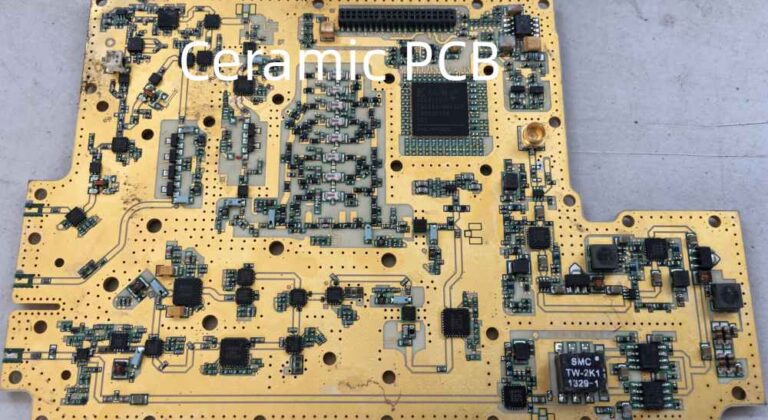
Ceramic printed circuit boards are made up of several material components layered and integrated together to form a high performance electronic substrate. The composition and characteristics of the materials strongly influence the properties and capabilities of the ceramic PCB technology. This article provides an overview of the key components that make up a multilayer ceramic…
Posted by
–

Ceramic printed circuit boards provide high thermal conductivity and thermal management capabilities exceeding traditional FR4 PCBs. However, the thermal conductivity varies based on the specific ceramic material used in the PCB substrate. This article discusses the thermal conductivity ranges observed in various ceramic PCB materials and their implications on PCB thermal design. Importance of Thermal…

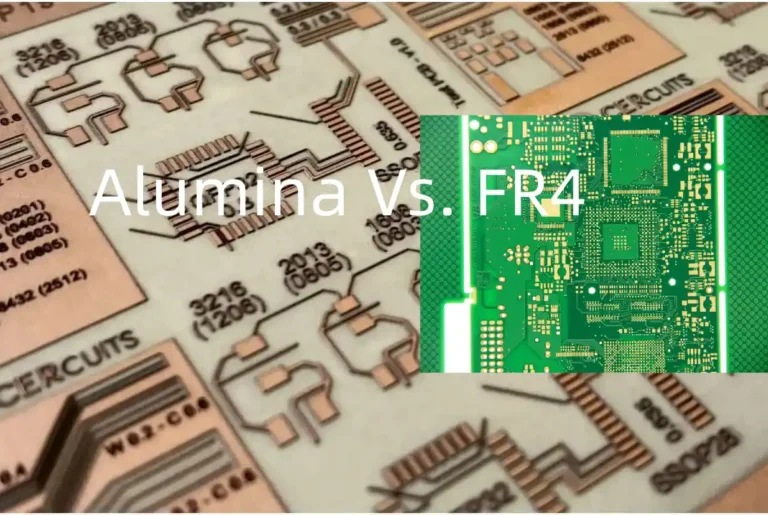
FR4 and alumina are two widely used printed circuit board (PCB) substrate materials with distinct properties and trade-offs. FR4 is the ubiquitous budget substrate for everyday electronics, while alumina ceramic caters to specialized high performance applications. This article examines the key differences between FR4 and alumina PCB substrates in terms of composition, properties, fabrication, costs…
Posted by
–

Ceramic printed circuit boards provide high reliability and performance making them ideal for demanding applications. However, fabrication of ceramic PCBs requires specialized processes that differ considerably from standard FR4 PCB manufacturing. This article provides an overview of the key steps involved in making ceramic printed circuit boards. Ceramic PCB Overview Ceramic PCBs use ceramic materials…
Posted by
–

Ceramic printed circuit boards (PCB) provide high performance and reliability for demanding applications like automotive, aerospace, military and high power electronics. The thickness of ceramic PCBs depends on the substrate material and design requirements. This article discusses common ceramic PCB thickness ranges and the factors influencing thickness selection. What is Ceramic PCB? Ceramic PCBs use…
Posted by
–

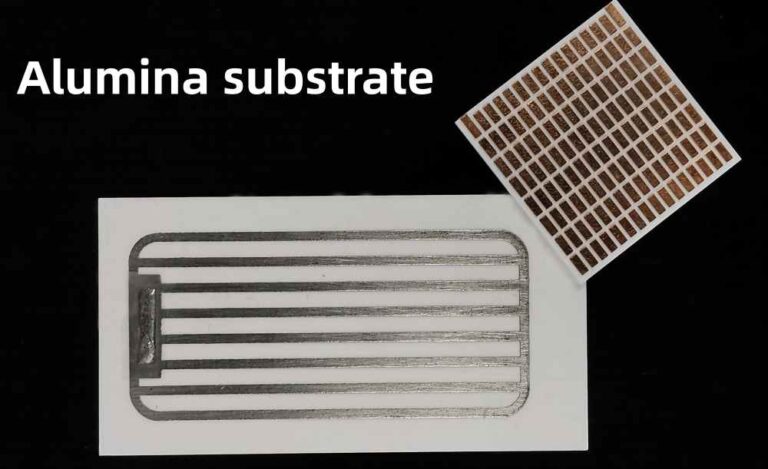
Alumina (aluminum oxide – Al2O3) ceramic is a popular substrate material used in electronics manufacturing. Alumina substrates offer various benefits that make them well-suited for demanding applications. This article discusses the key advantages and typical uses of alumina substrates. What is Alumina Substrate? Alumina substrate consists of a base plate or sheet made from aluminum…
Posted by
–

Printed circuit boards (PCBs) form the backbone of electronics. The substrate on which the circuit is fabricated plays a key role in PCB performance and capabilities. While FR-4 glass-epoxy is the most common substrate, aluminum PCBs provide some unique advantages for certain applications. This article examines the key reasons why aluminum may be chosen as…
Posted by
–

Overview of Alumina Alumina (Al2O3) is a chemical compound consisting of aluminium and oxygen. It occurs naturally as the mineral corundum, which is the crystalline form of alumina. Alumina is one of the most commonly produced materials in the ceramics industry and has a wide variety of applications. But is alumina classified as a metal…
Posted by
–

Alumina (aluminum oxide) is an excellent thermal conductor compared to most electrical insulators due to its high thermal conductivity. This makes alumina well suited for thermal management applications requiring both electrical insulation and heat dissipation. Key Properties Alumina possesses a unique combination of properties: This enables using alumina in applications with simultaneous electrical, thermal and…
Posted by
–

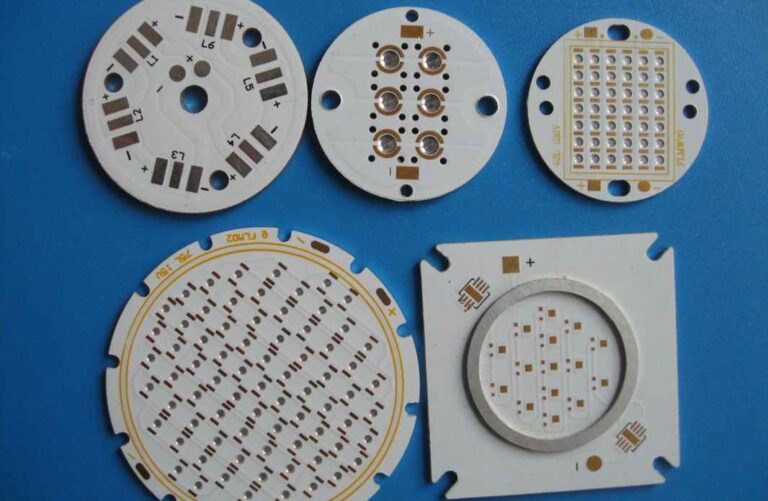
Alumina (aluminum oxide) PCBs provide superior thermal management and electrical insulation compared to traditional FR4 circuit boards. Alumina PCBs are made using high purity alumina ceramic as the substrate material. This enables thinner boards with improved thermal conductivity and dielectric strength. Determining the optimal thickness for an alumina PCB depends on the application requirements, manufacturing…