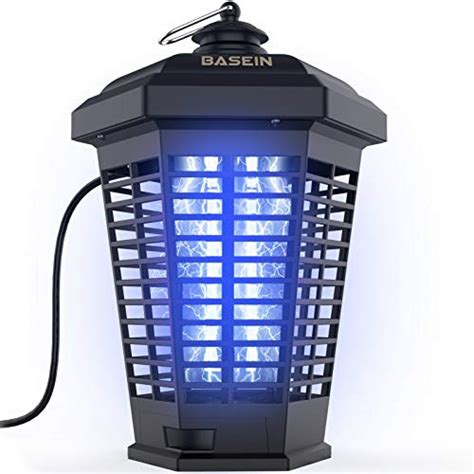
Bug Zapper Circuit: All You Need to Know
Introduction to Bug Zappers A bug zapper, also known as an electronic insect killer or electric fly swatter, is a device designed…
Read more →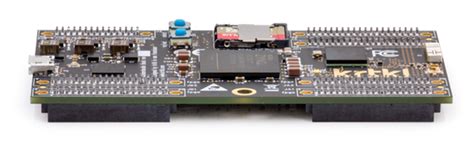
ARM Development Boards
What are ARM DevBoards? ARM DevBoards, short for ARM Development Boards, are specially designed printed circuit boards (PCBs) that incorporate an ARM…
Read more →
A Comprehensive Guide on How to Determine IPC Class Products
What is IPC Classification? IPC stands for International Patent Classification. It is a hierarchical system used to classify and categorize inventions and…
Read more →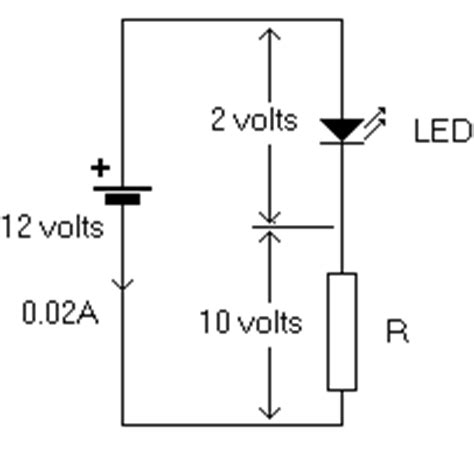
LEDs circuit board: 7 things you need to know
1. Understanding the Basics of LEDs 1.1 What are LEDs? LEDs are semiconductor devices that emit light when an electric current passes…
Read more →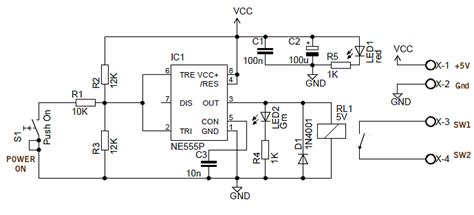
Surge Protector Circuits: Principle, Selection, And Design
What are Surge Protector Circuits? Surge protector circuits are electronic components designed to absorb or divert excess electrical energy that may occur…
Read more →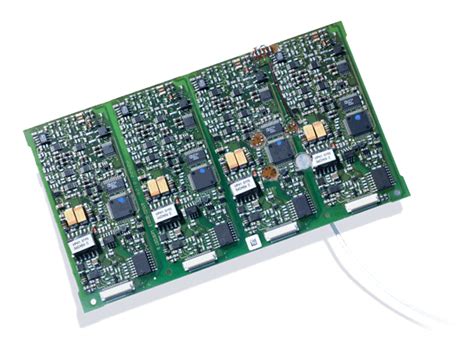
ICT Test :How to Use it to Help You Produce High-quality PCB
What is ICT? In-Circuit Testing, or ICT, is an automated testing method used to verify the functionality and quality of PCBs. It…
Read more →
FPGA Vs Microcontroller-Which Is Better For Your Needs
What is an FPGA? An FPGA is an integrated circuit that can be programmed and configured by the user after manufacturing. It…
Read more →
2n222 Pinouts: A Complete Guide and More!
What is a 2N222 Transistor? The 2N222 is a small-signal NPN transistor that is commonly used for low-power amplification and switching applications.…
Read more →
Transparent PCB: See-Through Circuit Board with High Optical Transmissivity
Introduction to Transparent PCBs Transparent PCBs, also known as clear or see-through circuit boards, are a revolutionary development in the field of…
Read more →
What is a Surface Mount Device or SMD?
Introduction to Surface Mount Technology Surface Mount Technology (SMT) is a method for constructing electronic circuits in which the components are mounted…
Read more →