Blog
-
Anti-interference Methods in PCB Circuit
Posted by
–
Read more: Anti-interference Methods in PCB CircuitIntroduction to PCB Anti-interference Printed Circuit Boards (PCBs) are the foundation of modern electronics. They provide a platform for mounting and interconnecting electronic components to create functional circuits. However, as circuits become more complex and operate at higher frequencies, they become more susceptible to electromagnetic interference (EMI). EMI can cause signal integrity issues, leading to…
-
The Arrangement of Components in Assembly Design
Posted by
–
 Read more: The Arrangement of Components in Assembly Design
Introduction to Component Arrangement in Assembly Design Component arrangement is a critical aspect of assembly design that involves organizing and positioning the individual parts and subassemblies within an overall assembly. The goal is to optimize factors such as functionality, ease of assembly, maintainability, and space utilization while minimizing interference and maximizing performance. Effective component arrangement…
-
What is a PCB Made of?
Posted by
–
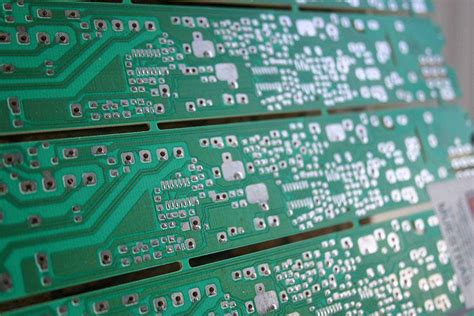 Read more: What is a PCB Made of?
PCB Composition: An Overview The Layers of a PCB A typical PCB consists of several layers, each serving a specific purpose. The number of layers can vary depending on the complexity and requirements of the circuit design. The most common PCB configurations are: Single-layer PCB: Consists of a single conductive layer, usually copper, on one…
-
What is the Composition of a PCB Board?
Posted by
–
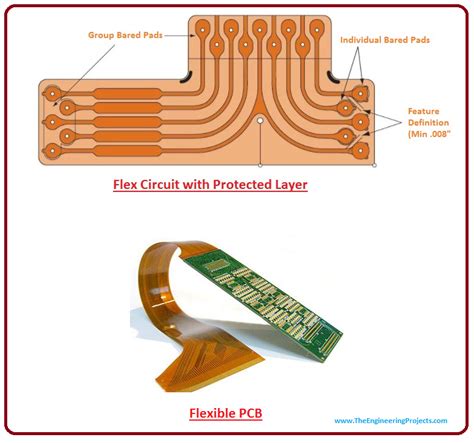 Read more: What is the Composition of a PCB Board?
Key Components of a PCB Board A typical PCB board consists of several layers of materials, each serving a specific purpose. The main components of a PCB board include: Substrate Copper layers Solder mask Silkscreen Surface finish Let’s discuss each of these components in more detail. Substrate The substrate is the foundation of a PCB…
-
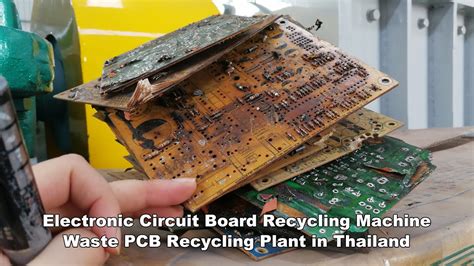 Read more: Methods Of Printed Circuit Board Recycling And Moral Codes Of Electronics
Introduction to PCB Recycling and Ethics Printed Circuit Boards (PCBs) are an essential component of modern electronics, found in everything from smartphones and laptops to household appliances and industrial equipment. As the demand for electronic devices continues to grow, so does the need for effective and ethical PCB recycling methods. In this article, we will…
-
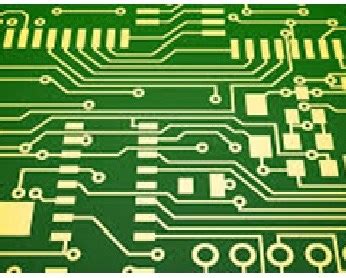 Read more: Main Factors in Printed Circuit Board Construction
PCB Material Selection The choice of material for a PCB is crucial, as it affects the board’s electrical, thermal, and mechanical properties. The most common PCB materials include: FR-4 FR-4 is a glass-reinforced epoxy laminate and the most widely used PCB material. It offers good electrical insulation, mechanical strength, and thermal stability. FR-4 is suitable…
-
Copper Foil in Printed Circuit Board
Posted by
–
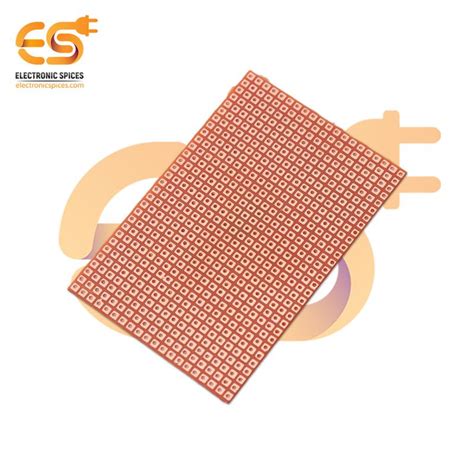 Read more: Copper Foil in Printed Circuit Board
Introduction to Copper PCBs Printed circuit boards (PCBs) are the backbone of modern electronics, providing a stable and efficient platform for mounting and connecting electronic components. At the heart of every PCB lies a thin layer of copper foil, which plays a crucial role in the board’s functionality, reliability, and performance. This article explores the…
-
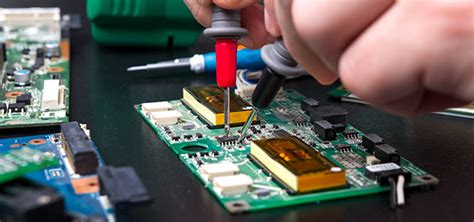 Read more: Circuit Board Tester And Method Conducive To PCB Repair
Introduction to PCB repair and Testing Printed circuit boards (PCBs) are the foundation of modern electronics. They provide the electrical connections and mechanical support for electronic components in devices ranging from smartphones and laptops to industrial control systems and medical equipment. However, like any complex system, PCBs can fail due to manufacturing defects, environmental factors,…
-
Causes of PCB Corrosion and How to Prevent it?
Posted by
–
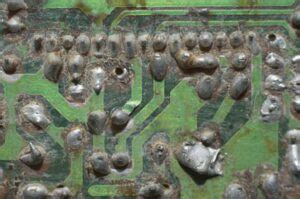 Read more: Causes of PCB Corrosion and How to Prevent it?
What is PCB Corrosion? PCB corrosion is the gradual degradation of the metal surfaces on a printed circuit board due to chemical reactions with the environment. This process can affect the copper traces, solder joints, and other metal components on the PCB. Corrosion can lead to the formation of nonconductive substances, such as oxides and…
-
Attentions in PCB Copper Cladding
Posted by
–
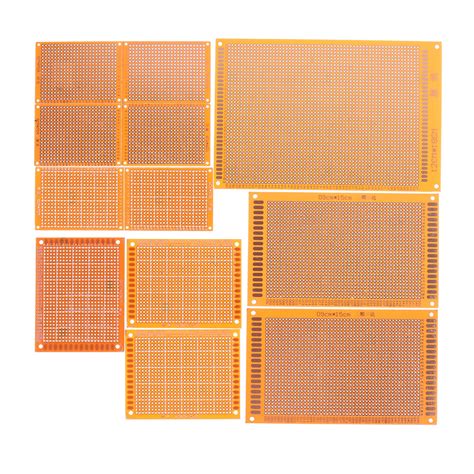 Read more: Attentions in PCB Copper Cladding
Introduction to PCB Copper Cladding PCB copper cladding is an essential component in the manufacturing of printed circuit boards (PCBs). It involves the process of bonding a thin layer of copper onto the surface of a dielectric substrate, such as fiberglass or epoxy resin. The copper layer serves as the conductive pathway for electrical signals…