Mouse Bites PCB – Breakaway Tabs – V Groove PCB
Introduction to PCB Tabs and Mouse Bites Printed Circuit Boards (PCBs) are essential components in modern electronics, providing a platform for connecting…
Read more →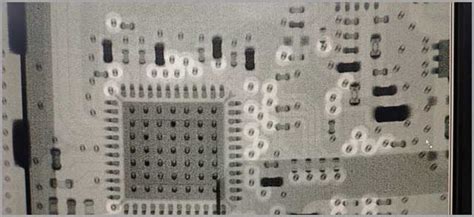
X-Ray Inspection PCB Assembly Services in China
Introduction to PCB X-Ray Inspection Printed Circuit Board (PCB) X-ray inspection is a non-destructive testing method used to inspect the internal structure…
Read more →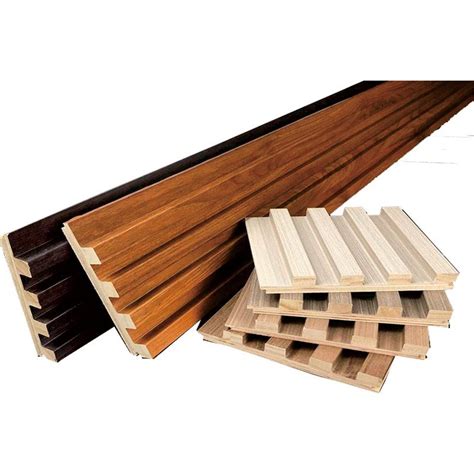
What Are Multi-layer Boards?
Introduction to Multi-layer Boards Multi-layer boards, also known as multi-layer printed circuit boards (PCBs), are essential components in modern electronic devices. These…
Read more →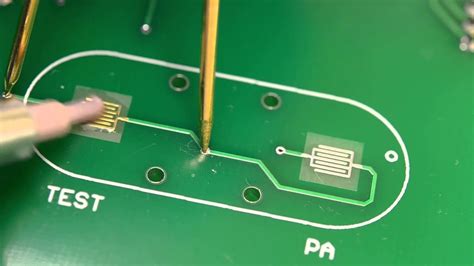
Plating Simulation – our New Tool for PCB Designers
Introduction to PCB Plating Simulation Printed circuit board (PCB) design has come a long way in recent decades. With the advent of…
Read more →
Rayming integrates EAGLE CAD software
Introduction to Rayming and EAGLE CAD RAYMING PCB & Assembly, a leading provider of printed circuit board (PCB) design, prototyping, and manufacturing…
Read more →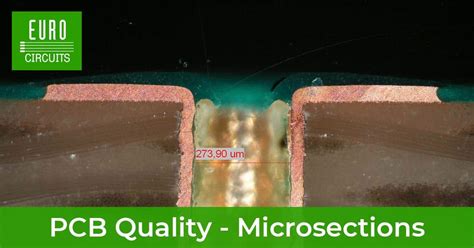
PCB Cross-Section Analysis: Technology You Want To Know
What is PCB Cross-Section Analysis? PCB cross-section analysis is a crucial technique used in the quality control and failure analysis of printed…
Read more →
What is an Acid Trap in a PCB?
Introduction to Acid Traps in PCBs In the world of printed circuit board (PCB) manufacturing, acid traps are a common phenomenon that…
Read more →
FR4 Material Upgrade New Tg150 Covered ALLPCB Prototype
Introduction to FR4 and Its Significance in PCB Manufacturing FR4 (Flame Retardant 4) is a widely used material in the manufacturing of…
Read more →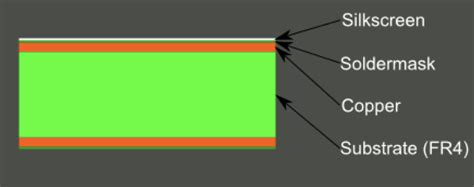
Why Silkscreen Is An Important Method Of PCB Fabrication?
What is PCB Silkscreen? PCB silkscreen, also known as legend printing or screen printing, is a method of applying text, symbols, and…
Read more →
What Aspects You Should Check in OQC?
Visual Inspection Visual inspection is the first and most basic aspect of OQC. It involves a thorough examination of the product’s appearance,…
Read more →