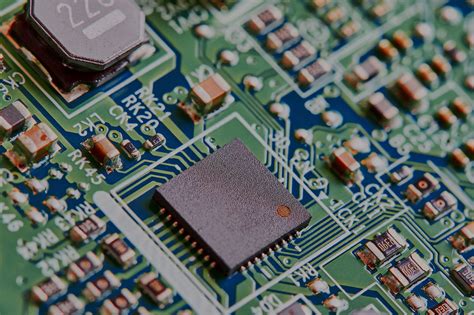
PCB Prototype Manufacturing and Assembly at Custom PCB Manufacturer
The Importance of PCB Prototype Manufacturing PCB prototype manufacturing is an essential step in the product development lifecycle. It allows designers and…
Read more →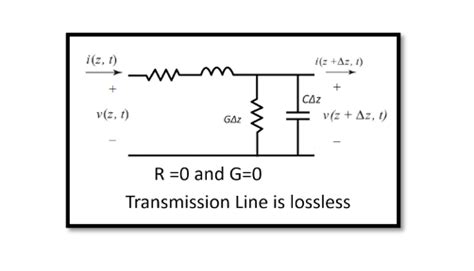
Definition & Types & Factors of Characteristic Impedance
What is Characteristic Impedance? Characteristic impedance, denoted as Z0, is a fundamental property of a transmission line that describes the ratio of…
Read more →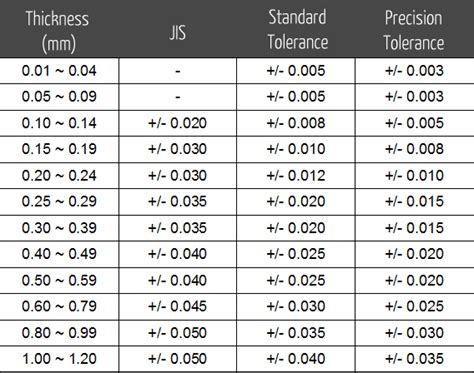
Understanding Manufacturing Tolerances on a PCB – Finished PCB Thickness Tolerance
What is PCB Thickness Tolerance? PCB thickness tolerance refers to the acceptable variation in the thickness of a printed circuit board (PCB)…
Read more →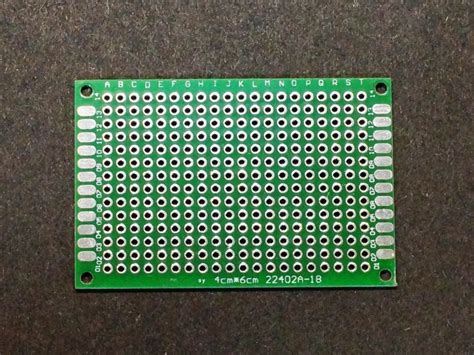
Which types of PCB prototype services do you offer?
What is a PCB Prototype? A PCB prototype is a preliminary version of a printed circuit board used for testing and validation…
Read more →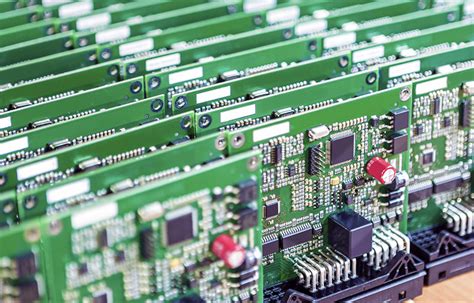
Find Cheap 4 Layers PCB Manufacturer
Introduction to PCB Manufacturing Printed Circuit Boards (PCBs) are the backbone of modern electronics. They provide a platform for mounting and interconnecting…
Read more →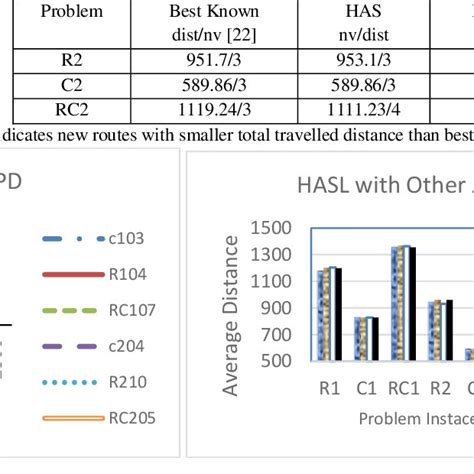
HASL VS ENIG 10 Tips on How to Choose Enig Plating
What is HASL? HASL is a surface finish that involves immersing the PCB in a molten solder bath, typically consisting of a…
Read more →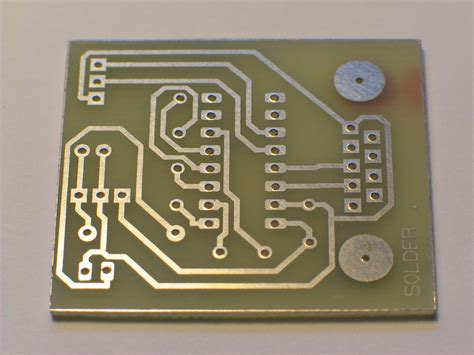
94V 0 Circuit Board
What is a 94V 0 PCB? A 94V 0 PCB, also known as a flame-retardant PCB, is a type of printed circuit…
Read more →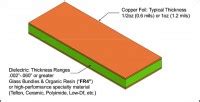
PCB Thickness-What Is The Standard?
Understanding PCB Thickness PCB thickness is typically measured in either millimeters (mm) or mils (thousands of an inch). The most common PCB…
Read more →
Ultiboard – The Ultimate Guide For Best For Beginners
Introduction to Ultiboard Ultiboard is a powerful PCB design software that offers a comprehensive set of tools for creating high-quality printed circuit…
Read more →
ENEPIG vs. ENIG: Which is the Better Surface Finish?
What is ENEPIG? ENEPIG is a PCB Surface Finish that consists of three layers: electroless nickel, electroless palladium, and immersion gold. The…
Read more →