Uyemura to Provide Solutions to eSurface Licensees
Uyemura-eSurface Partnership: A Game-Changer in Surface Finishing Industry In a groundbreaking collaboration, Uyemura International Corporation and eSurface Technologies have formed a strategic…
Read more →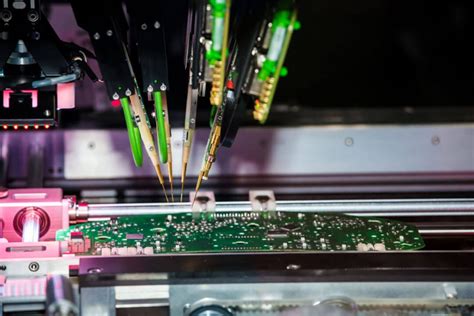
The Ultimate Guide to Flying Probe Test in PCBA
What is Flying Probe Testing? Flying Probe Testing is an automated testing method used to verify the electrical continuity, component placement, and…
Read more →
Board Plating and Hole Plating
Introduction to Plating in Electronics Manufacturing Plating is a crucial process in the manufacturing of printed circuit boards (PCBs) and electronic components.…
Read more →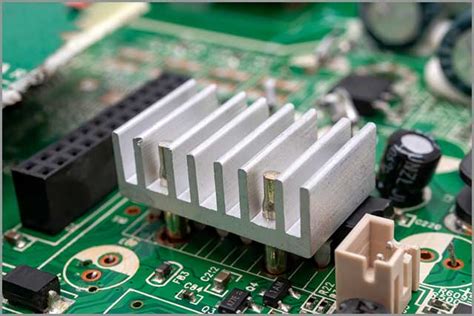
What is the core of a PCB?
Introduction to Core PCB A printed circuit board (PCB) is a fundamental component in modern electronic devices, serving as the foundation for…
Read more →
What are through holes on a PCB?
Introduction to PCB Through-Holes Printed Circuit Boards (PCBs) are the backbone of modern electronics, providing a platform for components to be mounted…
Read more →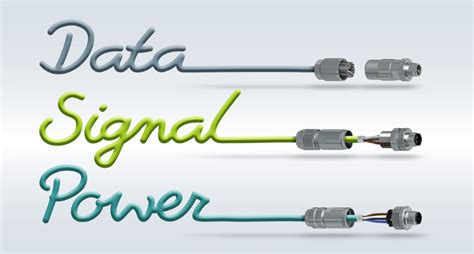
White paper – Reliability comparison of RJ45 and Mini I/O
Introduction to Connector Reliability Connectors play a critical role in ensuring reliable data transmission and power delivery in a wide range of…
Read more →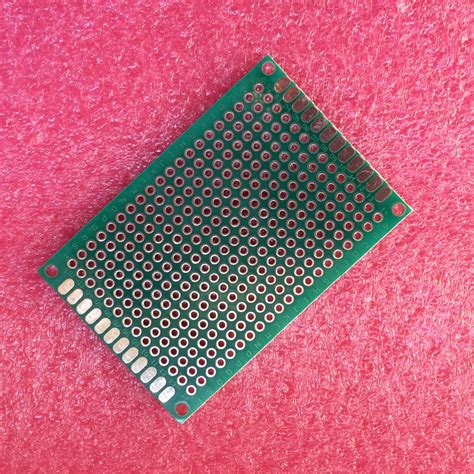
What Attract You to Buy Prototype PCB Board?
The Importance of Prototype PCBs in Electronic Design Prototype PCBs play a vital role in the electronic design process by providing a…
Read more →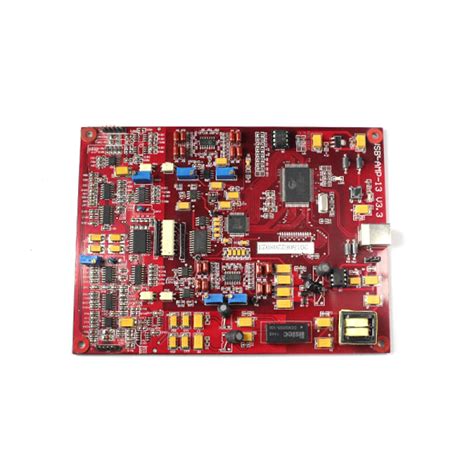
Why Do You Need Turnkey PCB Assembly Services?
Introduction to Turnkey PCB Assembly In today’s fast-paced technological world, printed circuit boards (PCBs) are the backbone of almost every electronic device.…
Read more →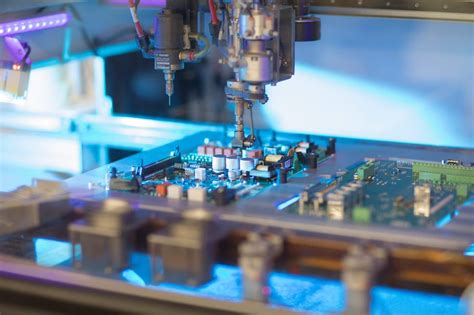
Why Work with Us for SMT Assembly?
Introduction to SMT Assembly Surface Mount Technology (SMT) assembly is a crucial process in the manufacturing of electronic devices. It involves placing…
Read more →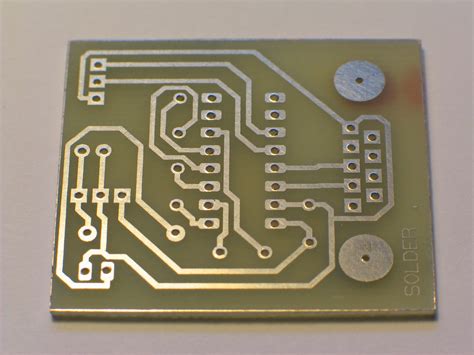
What is a Blank Printed Circuit Board and How to Make It
Introduction to PCBs A Printed Circuit Board (PCB) is a fundamental component in modern electronics. It serves as a base for mounting…
Read more →