Blog

  • PCB Manufacturing Process

    Posted by

    Understanding the Basics of PCB Manufacturing Before we dive into the manufacturing process, let’s establish a foundational understanding of PCBs. A PCB is a flat board made of insulating materials, such as fiberglass or composite epoxy, with conductive copper traces etched onto its surface. These traces form the electrical connections between components, allowing for the…

    Read more: PCB Manufacturing Process
  • Types of PCB drilling defects There are several types of drilling defects that can occur during the PCB Manufacturing process. These include: Misaligned Holes Misaligned holes occur when the drill bit does not enter the PCB Substrate at the correct location. This can be caused by a variety of factors, including: Incorrect drill file data…

    Read more: PCB manufacturing defects causes and elimination method drilling
  • Flip chip Resistor Performance Improved

    Posted by

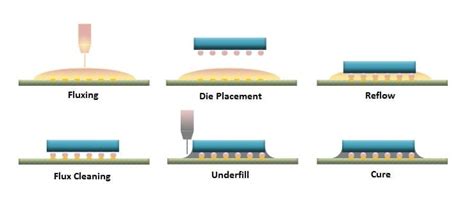
    Introduction to Flip chip Technology Flip chip technology, also known as controlled collapse chip connection (C4), is a method for interconnecting semiconductor devices, such as integrated circuit (IC) chips and microelectromechanical systems (MEMS), to external circuitry with solder bumps that have been deposited onto the chip pads. The solder bumps are used to connect the…

    Read more: Flip chip Resistor Performance Improved
  • What is Cu (Copper)?

    Posted by

    Definition of Copper Copper (Cu) is a chemical element with the atomic number 29. It is a soft, malleable, and ductile metal with very high thermal and electrical conductivity. Copper is found as a pure metal in nature and has a distinct reddish-orange color. Its unique properties make it widely used in various applications, including…

    Read more: What is Cu (Copper)?
  • Forecast of Military Electronics Market

    Posted by

    Overview of the Military Electronics Market The military electronics market encompasses a wide range of electronic systems and equipment used for defense and military applications. This includes communication systems, radar, electronic warfare, navigation, avionics, electro-optics, and various other types of sensors and systems. The market is driven by factors such as ongoing geopolitical tensions, increasing…

    Read more: Forecast of Military Electronics Market
  • PCB pads introduction

    Posted by

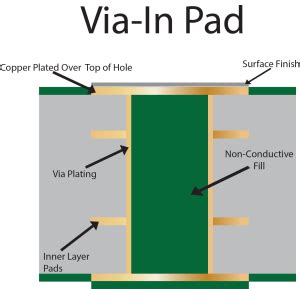
    What are PCB pads? PCB pads, also known as solder pads or land patterns, are the exposed copper areas on a PCB where components are soldered. They provide a conductive surface for attaching components to the board and establishing electrical connections. Pads come in various shapes and sizes, depending on the component package and the…

    Read more: PCB pads introduction
  • 10 Helpful Ways To Check Defects On Soldering PCB Board

    Posted by

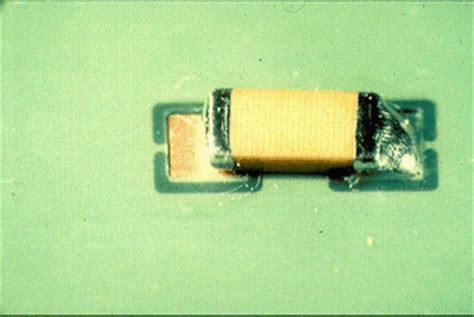
    Introduction Soldering PCB Boards is a crucial process in the manufacturing of electronic devices. However, even with the most skilled technicians and advanced equipment, defects can still occur during the soldering process. These defects can lead to malfunctions, reduced performance, and even complete failure of the electronic device. Therefore, it is essential to have effective…

    Read more: 10 Helpful Ways To Check Defects On Soldering PCB Board
  • SMT vs SMD – Ultimate Guide to PCB Assembly Terms

    Posted by

    What is SMT? SMT stands for Surface Mount Technology. It is a method for constructing electronic circuits in which the components are mounted directly onto the surface of printed circuit boards (PCBs). SMT has largely replaced the through-hole technology construction method of fitting components with wire leads into holes in the circuit board. In the…

    Read more: SMT vs SMD – Ultimate Guide to PCB Assembly Terms
  • Introduction to Solderability Testing Solderability testing is a crucial process in the manufacturing of printed circuit boards (PCBs) to ensure the quality and reliability of the final product. It involves evaluating the ability of component leads, pins, and PCB pads to be wetted by molten solder during the assembly process. Proper solderability is essential for…

    Read more: Solderability Test: Understanding PCB Solderability Testing
  • Quality Circuit Assembly-Basic Guide Service

    Posted by

    Introduction to Circuit Assembly Circuit assembly is the process of connecting electronic components together to create a functional electronic circuit. It involves soldering components onto a printed circuit board (PCB) according to a specific design. The quality of the circuit assembly process is crucial for ensuring the reliability and performance of the final product. In…

    Read more: Quality Circuit Assembly-Basic Guide Service