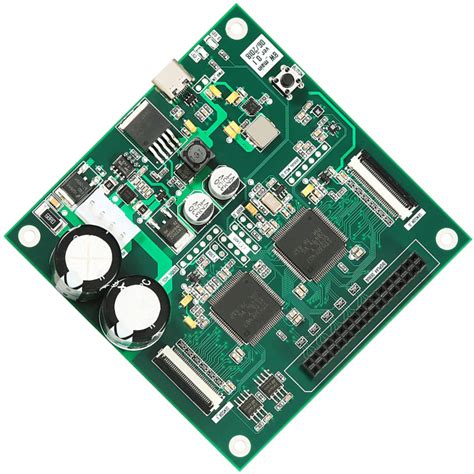
Top advantages of Turnkey PCB Assembly for entrepreneurs!
Introduction In today’s fast-paced technological landscape, entrepreneurs are constantly seeking ways to streamline their product development processes and bring their ideas to…
Read more →
Turnkey Prototype PCB Fabrication & Assembly
Introduction to PCB Fabrication Printed Circuit Board (PCB) fabrication is a critical process in the electronics industry, enabling the creation of complex…
Read more →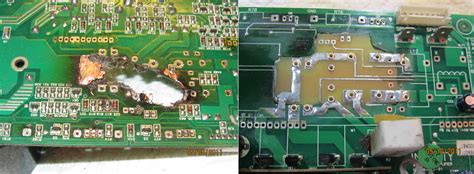
Understanding the PCB Burn-in Testing Process in PCB Manufacturing!
What is PCB Burn-in Testing? PCB burn-in testing is a critical process in the manufacturing of printed circuit boards (PCBs) that involves…
Read more →
Unlock the Potential of Embedded PCB Assemblies for Improving the Performance of Electronics Devices
Introduction to Embedded PCB Assemblies Embedded PCB assemblies have revolutionized the electronics industry by offering a compact, efficient, and reliable solution for…
Read more →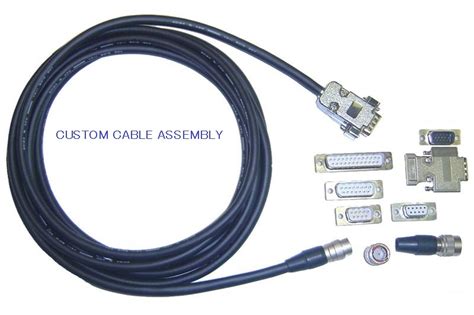
What are the Advantages of Custom Cable Assembly to meet your bespoke needs?
Tailored Solutions for Your Specific Requirements One of the primary advantages of Custom Cable Assembly is the ability to create solutions that…
Read more →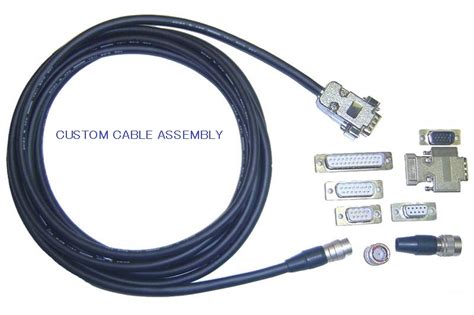
YOUR RELIABLE CUSTOM CABLE ASSEMBLY SUPPLIER IN CHINA.
Introduction If you’re looking for a reliable and experienced Custom Cable Assembly supplier in China, look no further. With years of expertise…
Read more →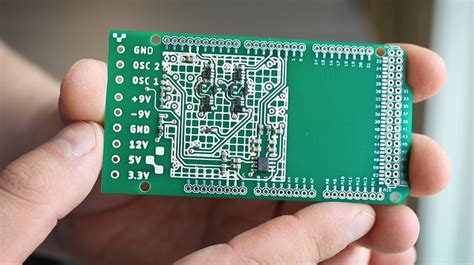
What are the benefits and limitations of custom PCB boards?
Introduction to Custom PCBs Custom Printed Circuit Boards (PCBs) are designed and manufactured specifically for a particular application or project, rather than…
Read more →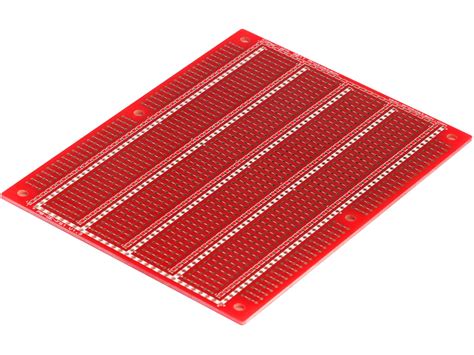
Prototyping Board – What Is The Unique?
Introduction to Prototyping Boards A prototyping board, also known as a breadboard, is an essential tool for electronic hobbyists, students, and professionals…
Read more →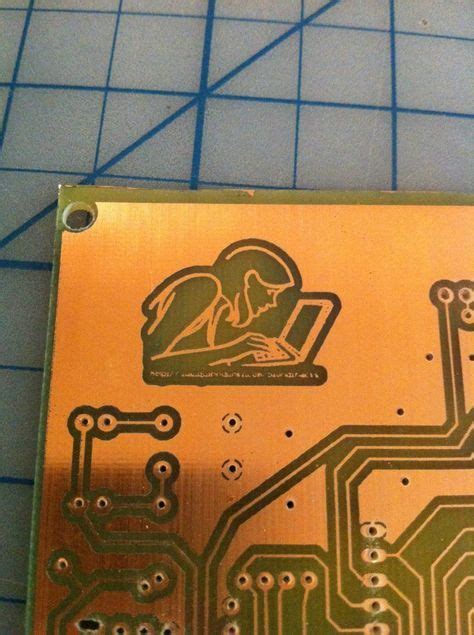
PCB Etching Machine And How to Make One
What is a PCB Etcher? A PCB etcher, also known as a PCB Etching machine, is a device used to remove unwanted…
Read more →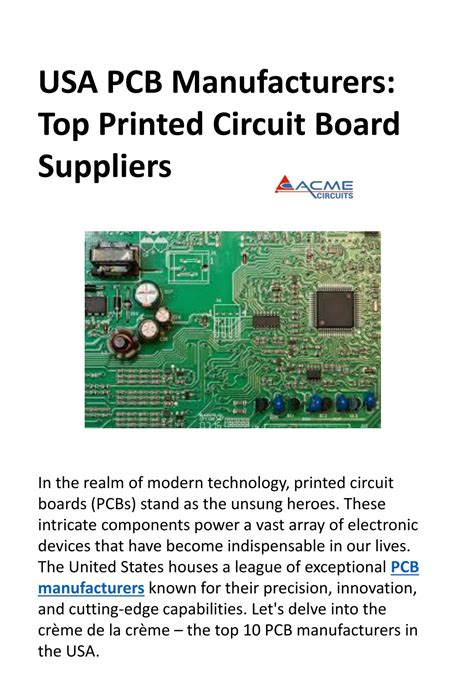
What are the Benefits of Choosing USA Based PCB Manufacturer?
Advantages of Choosing a USA PCB Manufacturer 1. Quality and Reliability One of the primary reasons to choose a USA based PCB…
Read more →