Match the application to testable requirements
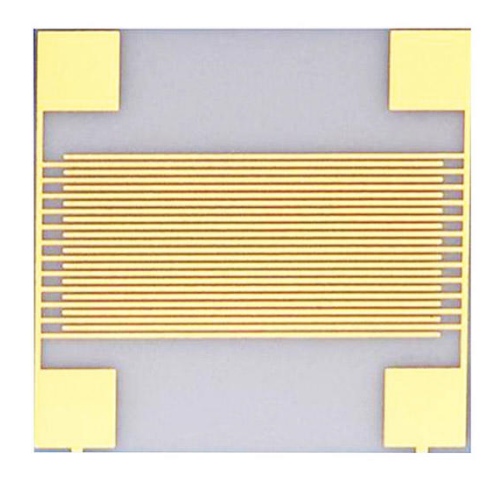
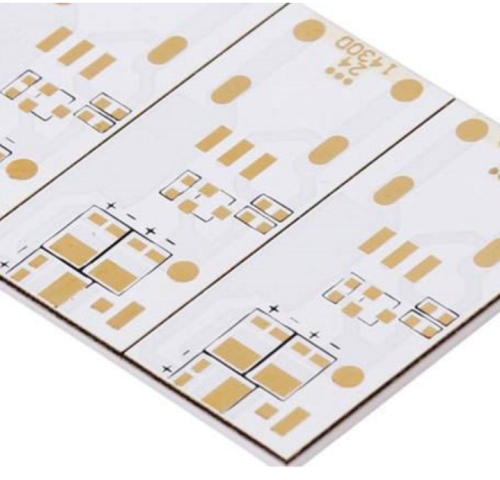
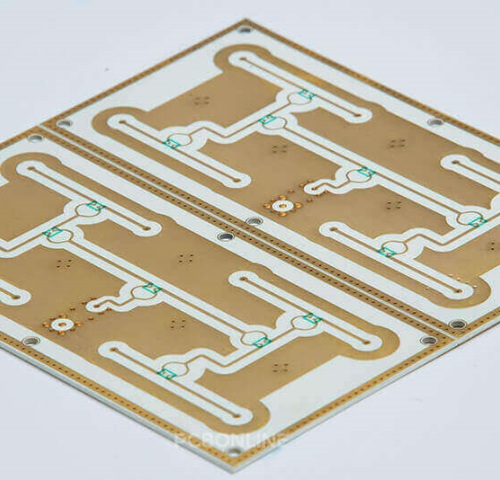
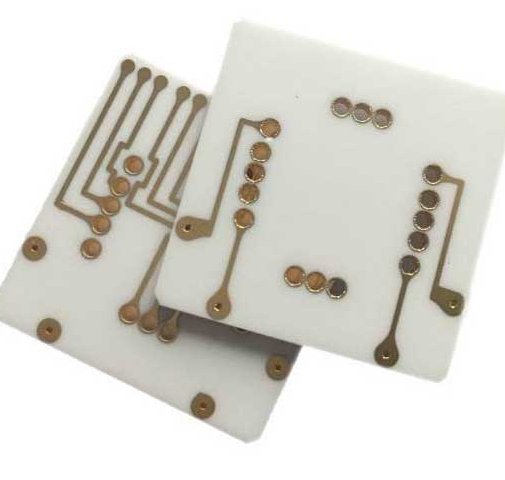
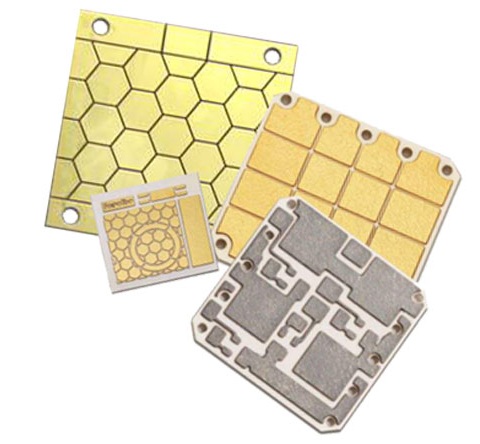
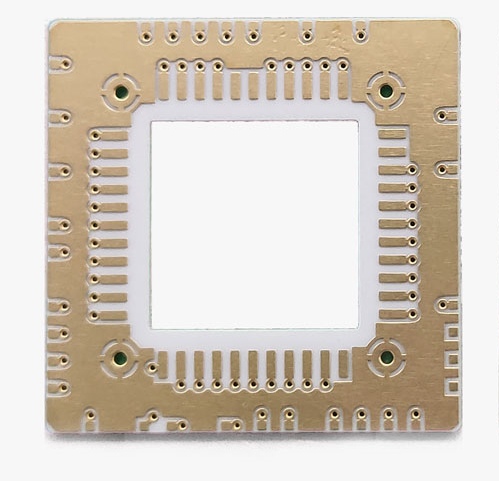
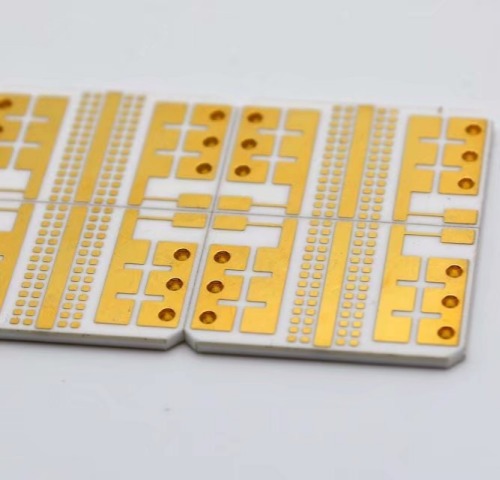
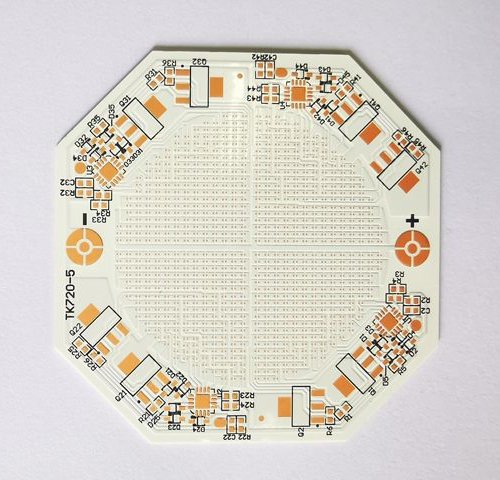
Ceramic substrates can be considered for power electronics, LED and laser assemblies, RF circuits, sensors and electronic packages. An industry label alone does not select the ceramic grade or prove a finished assembly will survive its environment. Start with heat flow, electrical conditions, geometry, mounting and the qualification evidence required by the application.
| Application |
What to define |
What to review in the substrate stack |
| Power modules and EV electronics |
Heat load, isolation conditions, attachment and temperature-cycle profile |
Conductor geometry, ceramic grade and thickness, interfaces, mounting and qualification tests |
| LED and laser assemblies |
Source footprint, heat load, optical alignment and attach process |
Complete heat path, pad finish, dimensional tolerances and assembly expansion |
| RF and microwave circuits |
Frequency, loss and impedance targets, conductor geometry and package boundaries |
Grade-specific dielectric data at the relevant frequency, finish and model assumptions |
| Sensors and industrial electronics |
Mechanical loading, environmental exposure, signal and thermal requirements |
Edges, holes, conductor stability, attachment and the actual operating profile |
| Medical, aerospace and other qualified systems |
Product-specific regulatory, traceability, environmental and reliability requirements |
Evidence for the complete device and supply chain; ceramic choice alone establishes no approval or certification |
Choose material and metallization together
Compare named grades rather than assigning one conductivity or lifetime to a whole ceramic family. Metallization and metal thickness affect pattern geometry, heat spreading and assembly compatibility. The material guide and DBC/DPC comparison introduce those choices. A supplier’s material data describes its grade under stated conditions; it is not a qualification report for your assembly.
Prepare the application brief
Include a drawing or preliminary layout, heat source locations, electrical conditions, attachment method, cooling boundary, mounting loads and target test profile. Mark unresolved choices so the review can state its assumptions. Send your application requirements with the RFQ checklist. Confirm feasibility and qualification scope for the actual build before release.